Open post

resistant starch foods list pdf

Resistant Starch Foods: A Comprehensive List

Discover a detailed compendium of resistant starch-rich foods, including Himaize flour, red kidney beans, and Cornflakes, conveniently compiled into a downloadable PDF resource.

Resistant starch (RS) is gaining significant attention as a vital component of a healthy diet, largely due to its unique properties and positive impact on gut health. Unlike most starches, RS isn’t digested in the small intestine; instead, it travels to the large intestine where it acts as a prebiotic, fueling beneficial gut bacteria. This fermentation process yields short-chain fatty acids, like butyrate, which are crucial for colon health and overall well-being.

Understanding the diverse sources of resistant starch is key to incorporating it effectively into your meals. A comprehensive resistant starch foods list PDF can be an invaluable tool, offering a quick reference guide to foods naturally rich in RS, as well as those with added resistant starch. From grains like Himaize flour and Cornflakes to legumes such as red kidney beans, and even certain cooked and cooled potatoes, the options are surprisingly varied. Exploring these sources empowers individuals to proactively enhance their dietary fiber intake and support a thriving gut microbiome.

What is Resistant Starch?

Resistant starch is a fascinating type of carbohydrate that behaves differently from typical starches. It essentially “resists” digestion in the small intestine, passing through largely intact to the colon. This unique characteristic sets it apart and contributes to its health benefits. Classified as a dietary fiber, RS doesn’t provide immediate energy but instead nourishes the gut microbiome.

A helpful resistant starch foods list PDF illustrates the breadth of sources. Foods containing RS are categorized into five types (RS1-RS5), each with distinct properties and origins. Understanding these types – from naturally occurring RS in partially milled grains and underripe bananas to added RS in modified food starches – is crucial. Utilizing such a list allows for informed dietary choices, maximizing RS intake and promoting gut health. It’s a powerful tool for anyone seeking to optimize their digestive wellness and overall health through targeted nutrition.

The Five Types of Resistant Starch (RS1-RS5)

Resistant starch isn’t a single entity; it’s categorized into five distinct types, each with unique characteristics and food sources. A comprehensive resistant starch foods list PDF details these variations. RS1, physically inaccessible starch found in partially milled grains and legumes, resists digestion due to its physical structure. RS2, native granular starch like in raw barley and green bananas, also escapes digestion.

RS3 and RS4 are formed during food processing – retrograded starch from cooling cooked foods like potatoes and modified starches, respectively. Finally, RS5 is created during the cooking and cooling of amylose-rich starches. Understanding these classifications, readily available in a detailed PDF guide, empowers individuals to strategically incorporate RS-rich foods into their diet, optimizing gut health benefits based on specific food choices and preparation methods.

Top Resistant Starch Food Sources

Explore a curated selection of foods boasting high resistant starch content, detailed in our PDF guide – from legumes to tubers and processed options!

Grains & Cereals

Grains and cereals represent a significant source of resistant starch, varying considerably based on processing and type. Our comprehensive PDF guide details the resistant starch content found within various options. Himaize flour and products derived from it consistently demonstrate exceptionally high levels, making them a standout choice for boosting intake.

Interestingly, even familiar breakfast staples like Cornflakes contribute a notable amount of RS. Lebanese bread also emerges as a surprisingly good source, as highlighted in recent analyses. Furthermore, the degree of milling impacts resistant starch levels; partially milled grains retain more RS compared to fully refined varieties.

Raw barley, in particular, is rich in resistant starch, though its texture and palatability may require creative culinary approaches. This PDF provides specific values and preparation tips to maximize the benefits from these grain-based sources, empowering you to make informed dietary choices.

Himaize Flour & Products

Himaize flour, derived from a specific variety of corn, stands out as a premier source of resistant starch, detailed extensively in our downloadable PDF guide. Its exceptionally high RS content – often exceeding 60% – makes it a powerful addition to any diet aiming to enhance gut health. The PDF showcases various products utilizing Himaize flour, including pancakes, which demonstrate remarkably high RS levels, reaching up to 13.72g per 100g.

This flour’s unique composition resists digestion in the small intestine, delivering substantial benefits to the large intestine where fermentation occurs. Our PDF provides guidance on incorporating Himaize flour into recipes, suggesting partial flour replacements to maximize RS intake without drastically altering taste or texture.

Explore the PDF for specific product recommendations and serving sizes to optimize your resistant starch consumption with Himaize flour and its derivatives.

Cornflakes

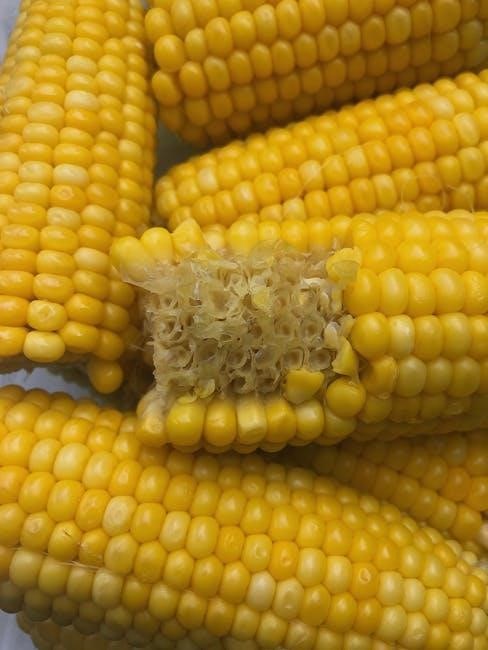
Cornflakes, a common breakfast staple, surprisingly emerge as a notable source of resistant starch, as comprehensively detailed within our downloadable PDF resource. While not all cornflakes are created equal, certain brands and processing methods can significantly elevate their RS content. The PDF highlights specific cornflake varieties exhibiting levels ranging from 2.30 to 13.72g of resistant starch per 100g, making them a convenient option for boosting fiber intake.

Our PDF guide explains how the manufacturing process – specifically cooling rates – impacts the formation of RS2 within the cornflakes. It also provides tips for selecting brands with higher RS content and suggests optimal serving sizes to maximize benefits.

Discover detailed nutritional information and brand comparisons within the PDF, empowering you to make informed choices regarding your cornflake consumption.

Lebanese Bread

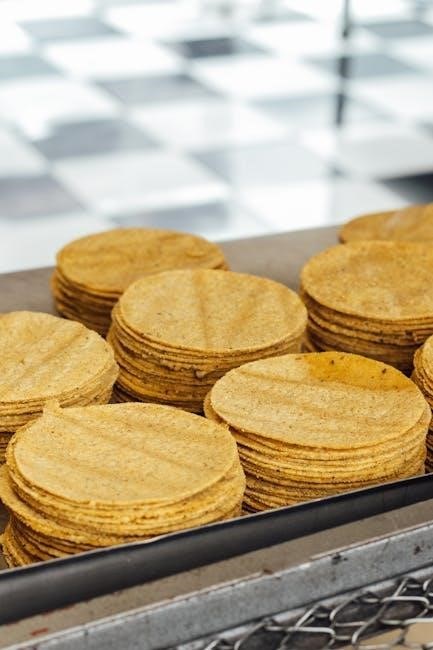
Lebanese bread, also known as pita bread, stands out as a surprisingly rich source of resistant starch, as meticulously documented in our comprehensive PDF guide. The traditional preparation and ingredients contribute to a substantial RS content, making it a valuable addition to a gut-friendly diet. Our PDF reveals that Lebanese bread can contain levels ranging from 2.30 to 13.72g of resistant starch per 100g, depending on the recipe and baking process.

The PDF details how the specific wheat varieties used and the cooling phase after baking influence the formation of RS1 and RS2 within the bread. It also offers guidance on identifying authentic Lebanese bread with optimal RS levels.

Explore detailed nutritional breakdowns and serving suggestions within the PDF, helping you integrate this beneficial bread into your daily meals effectively.

Partially Milled Grains

Partially milled grains represent a fascinating category within resistant starch sources, thoroughly explored in our detailed PDF resource. Unlike highly refined grains, the retained bran and germ in partially milled varieties contribute significantly to their RS content, specifically RS1, which is physically inaccessible to digestive enzymes. The PDF highlights that this inaccessibility is key to the health benefits associated with these grains.

Our PDF guide details the milling process and how it impacts RS levels, offering insights into selecting grains with optimal benefits. It also clarifies which grains qualify as “partially milled” and provides comparative data on their RS content.

Discover practical tips within the PDF on incorporating partially milled grains into your diet, maximizing your resistant starch intake for improved gut health and overall well-being.

Barley (Raw)

Raw barley emerges as a noteworthy source of resistant starch, meticulously detailed within our comprehensive PDF guide. The PDF explains that the unique structure of raw barley grain, particularly its high amylose content, contributes to its substantial RS2 content – a type that escapes digestion due to its physical properties. This makes raw barley a valuable addition to a gut-health focused diet.

Our PDF resource provides a detailed breakdown of the RS content in various barley types, clarifying the differences between raw and processed forms. It also addresses concerns regarding palatability and offers creative suggestions for incorporating raw barley into meals.

Download the PDF to access exclusive recipes and preparation methods designed to maximize the resistant starch benefits of raw barley, supporting a thriving gut microbiome and overall wellness.

Legumes

Legumes stand out as exceptional sources of resistant starch, comprehensively cataloged within our detailed PDF guide. The PDF highlights that varieties like red kidney beans, lentils, and chickpeas, particularly when cooked and then cooled, exhibit significant RS1 content. This type of resistant starch is physically inaccessible to digestive enzymes, promoting fermentation in the large intestine.

Our PDF resource provides a comparative analysis of RS levels across different legume types, offering valuable insights for dietary planning. It also details the impact of cooking and cooling methods on RS content, maximizing the benefits for gut health.

Download the PDF to unlock exclusive tips on preparing legumes to optimize their resistant starch profile, supporting a balanced microbiome and overall digestive wellbeing.

Red Kidney Beans

Red kidney beans are prominently featured in our comprehensive resistant starch foods list PDF as a top-tier source, boasting a substantial RS content – ranging up to 13.72g per 100g according to recent analyses detailed within the document. The PDF emphasizes that the cooling process after cooking dramatically increases the amount of RS1 present, making them a particularly beneficial addition to a gut-friendly diet.

Our PDF guide provides specific preparation recommendations for maximizing RS levels in red kidney beans, including optimal cooking times and cooling techniques. It also outlines the health benefits associated with their high fiber content and contribution to a thriving gut microbiome.

Download the PDF for detailed nutritional information, recipe ideas, and a complete overview of how red kidney beans fit into a resistant starch-rich dietary pattern.

Lentils (Cooked & Cooled)

Our detailed resistant starch foods list PDF highlights cooked and cooled lentils as a valuable source of RS, particularly RS1; While the exact amount varies depending on the lentil type and preparation method, the PDF showcases data indicating a significant increase in resistant starch content after cooling. This cooling process retrogrades the starch, making it resistant to digestion in the small intestine.

The PDF guide provides practical advice on how to best prepare lentils to maximize their RS benefits, including recommended cooking times and cooling procedures. It also details the broader health advantages of incorporating lentils into your diet, such as their high protein and fiber content.

Download the PDF to access a complete nutritional breakdown and discover delicious recipes featuring lentils, optimized for resistant starch intake.

Chickpeas (Cooked & Cooled)

Our comprehensive resistant starch foods list PDF identifies cooked and cooled chickpeas as a fantastic source of resistant starch, primarily RS1. The PDF details how the cooling process is crucial; it retrogrades the starch within the chickpeas, rendering it indigestible in the small intestine and available for fermentation in the large intestine. This boosts the RS content significantly.

The downloadable PDF guide offers specific cooking recommendations to optimize resistant starch formation in chickpeas, including ideal cooking times and cooling techniques. It also outlines the numerous health benefits associated with chickpea consumption, beyond just their RS content, such as their protein and fiber contributions.

Access the PDF for a complete nutritional profile and explore a variety of chickpea-based recipes designed to maximize your resistant starch intake.

Beans (Various Types, Cooked & Cooled)

Our detailed resistant starch foods list PDF highlights various bean types – including navy, black, pinto, and cannellini – as excellent sources of RS, predominantly RS1. Similar to chickpeas, the PDF emphasizes that cooking followed by a cooling period dramatically increases resistant starch levels through starch retrogradation. This process creates a structure indigestible by small intestine enzymes.

The downloadable PDF guide provides specific guidance on optimal cooking and cooling methods for different bean varieties to maximize RS content. It also details the broader health advantages of bean consumption, including their high fiber, protein, and micronutrient profiles.

Download the PDF to discover delicious bean-based recipes specifically designed to boost your resistant starch intake and support gut health.

Tubers & Root Vegetables

Our comprehensive resistant starch foods list PDF details how tubers and root vegetables, when prepared correctly, can significantly contribute to your daily RS intake. The PDF emphasizes that green bananas, plantains (green), cassava flour, potatoes, and sweet potatoes all contain varying levels of resistant starch, primarily RS2.

Crucially, the PDF highlights the importance of cooking and cooling these vegetables. Cooling causes starch retrogradation, increasing RS content. The guide provides specific temperature and time recommendations for optimal results. It also details how the degree of ripeness impacts RS levels in bananas and plantains.

Download the PDF for detailed charts outlining RS content per 100g for each tuber and root vegetable, alongside delicious recipe ideas to incorporate them into your diet effectively.

Green Bananas (Underripe)

Our resistant starch foods list PDF dedicates a section to green, or underripe, bananas as a prime source of RS2. Unlike their yellow counterparts, green bananas contain a high proportion of starch that resists digestion in the small intestine, reaching the colon for fermentation. The PDF details precisely why this occurs – the starch granules are physically inaccessible to digestive enzymes.

The downloadable guide provides a chart illustrating the dramatic shift in RS content as bananas ripen, showcasing the significant decrease as they turn yellow and sweet. It also includes practical tips on selecting appropriately green bananas and storage recommendations to preserve their RS levels.

Furthermore, the PDF offers recipe suggestions for incorporating green bananas into smoothies, flour alternatives, and even savory dishes, maximizing your resistant starch intake.

Plantain Flour (Green)

Our comprehensive resistant starch foods list PDF highlights green plantain flour as a potent source of RS2, offering a versatile alternative to wheat flour. Derived from unripe plantains, this flour boasts a remarkably high resistant starch content, contributing significantly to gut health. The PDF explains the unique granular structure of green plantain starch, which resists enzymatic breakdown in the small intestine.

The downloadable resource includes a detailed comparison of nutritional profiles between green plantain flour and other common flours, emphasizing the benefits of increased resistant starch. It also provides guidance on sourcing high-quality green plantain flour and proper storage techniques to maintain its potency.

Moreover, the PDF features a selection of recipes utilizing green plantain flour, ranging from pancakes and breads to thickening agents for soups and sauces, empowering you to easily integrate this RS-rich ingredient into your diet.

Cassava Flour (Green)

Our detailed resistant starch foods list PDF showcases green cassava flour as a valuable addition to a gut-friendly diet, primarily due to its high RS2 content. Sourced from unripe cassava roots, this flour presents a gluten-free alternative with substantial resistant starch benefits. The PDF details how the unique starch composition of green cassava resists digestion in the small intestine, reaching the colon for fermentation.

The downloadable resource provides a comparative analysis of cassava flour’s nutritional value against other flours, highlighting its superior resistant starch profile. It also offers practical advice on selecting and storing green cassava flour to preserve its beneficial properties.

Furthermore, the PDF includes a curated collection of recipes incorporating green cassava flour, from baked goods to savory dishes, making it simple to increase your resistant starch intake. It emphasizes that cooking can reduce RS content.

Potatoes (Cooked & Cooled)

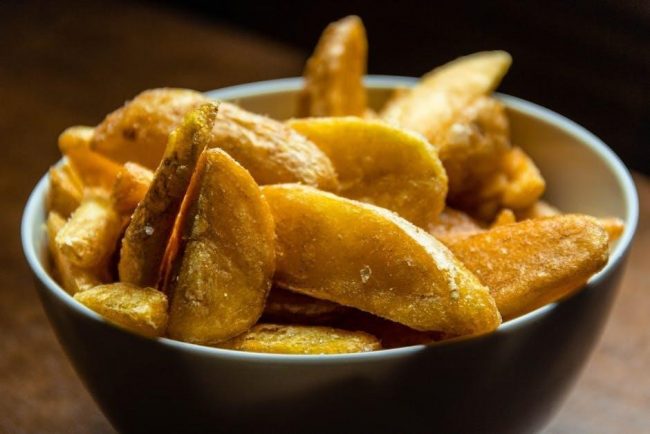
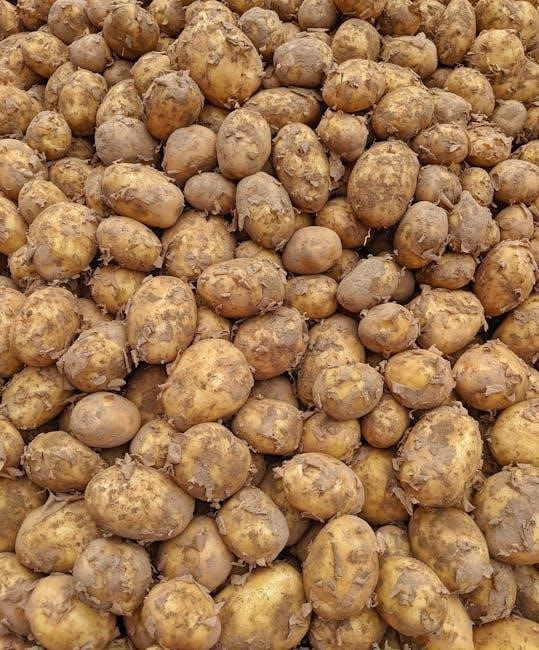
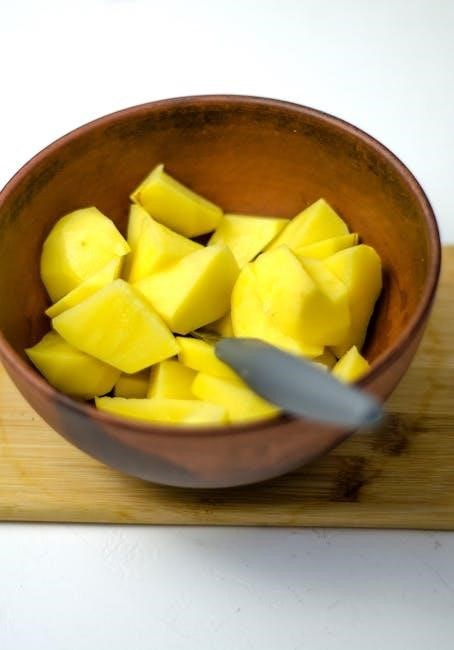
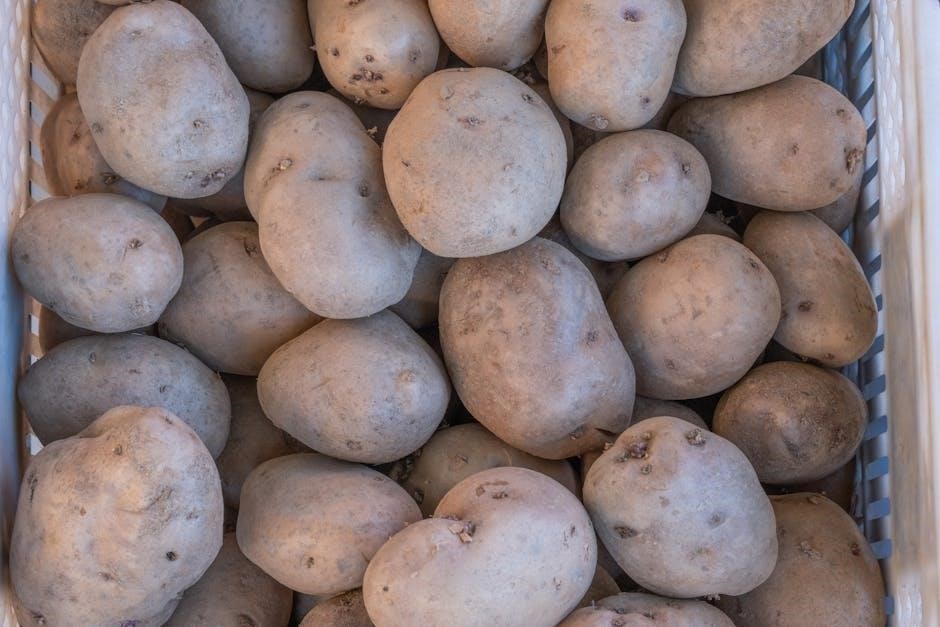
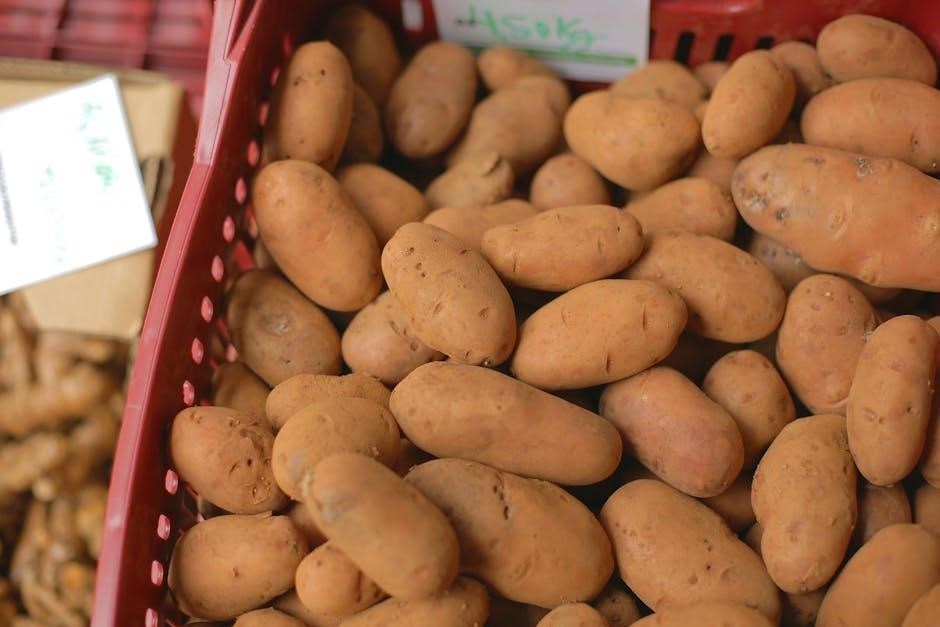
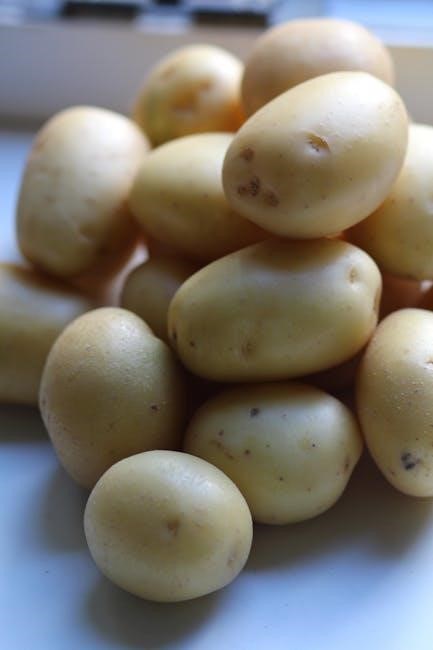
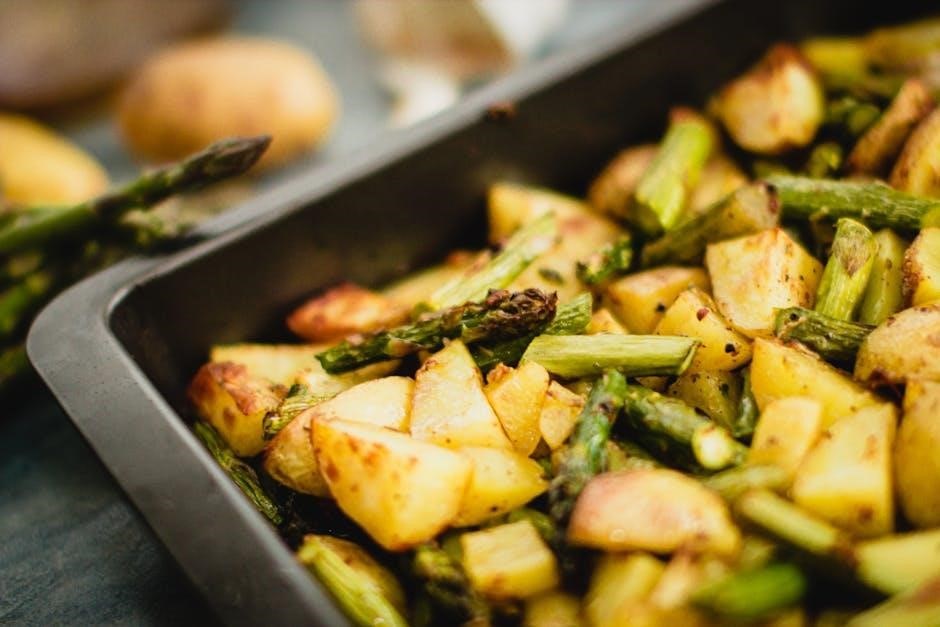
Our comprehensive resistant starch foods list PDF highlights cooked and cooled potatoes as a surprisingly potent source of RS3, formed during the cooling process. The PDF explains how retrogradation—the recrystallization of starch molecules—occurs when cooked potatoes are chilled, creating resistant starch inaccessible to digestive enzymes; This process significantly boosts the fiber content and gut health benefits.

The downloadable resource details optimal cooking and cooling methods to maximize RS3 formation, recommending boiling followed by refrigeration for at least several hours. It also provides a comparative chart illustrating the RS content variations based on potato type and preparation techniques.

Furthermore, the PDF includes practical tips on incorporating cooled potatoes into meals, emphasizing that reheating may diminish some of the resistant starch. It’s a simple, accessible way to enhance your dietary fiber intake.

Sweet Potatoes (Cooked & Cooled)

Our detailed resistant starch foods list PDF showcases cooked and cooled sweet potatoes as a valuable source of resistant starch, particularly RS3. Similar to white potatoes, the cooling process induces retrogradation, transforming digestible starches into resistant forms that nourish gut bacteria. The PDF clarifies that this transformation isn’t about the sweet potato type, but the temperature change.

The downloadable resource provides specific guidance on maximizing RS3 content, recommending thorough cooking followed by rapid chilling. It also details how different cooking methods—boiling, baking, steaming—impact the final resistant starch levels.

The PDF further offers creative recipe ideas incorporating cooled sweet potatoes, emphasizing their versatility and nutritional benefits. It’s a delicious and easy way to boost your fiber intake and support a healthy microbiome.

Processed Foods with Added Resistant Starch

Our comprehensive resistant starch foods list PDF highlights how processed foods can be surprisingly beneficial sources of RS, specifically RS3 and RS4, through intentional addition. These aren’t naturally occurring but are incorporated during manufacturing to enhance fiber content and improve gut health benefits.

The PDF details high-amylose corn starch, a key ingredient often used to boost RS levels in various products. It also explains modified food starches, detailing how they’re engineered to resist digestion in the small intestine, reaching the colon for fermentation.

The downloadable resource provides a guide to identifying products containing added resistant starch by carefully reviewing ingredient lists. It also includes a cautionary note about potential digestive discomfort if consumed in excessive amounts, advising gradual introduction into the diet.

High-Amylose Corn Starch

Our detailed resistant starch foods list PDF dedicates a section to high-amylose corn starch (HACS), a potent source of RS3. Unlike regular corn starch, HACS possesses a significantly higher proportion of amylose, the starch component resistant to enzymatic digestion. This resistance allows it to pass through the small intestine intact, delivering substantial prebiotic benefits in the large intestine.

The PDF explains how HACS is often used as a functional food ingredient, added to products like cereals, baked goods, and even confectionery to increase their resistant starch content. It details how the granular structure of HACS contributes to its resistance, requiring specific processing methods to unlock its full potential.

Furthermore, the resource provides guidance on incorporating HACS into your diet, suggesting starting with small amounts to minimize potential gastrointestinal side effects. It also highlights the importance of proper hydration when increasing HACS intake.

Modified Food Starches (RS3 & RS4)

The comprehensive resistant starch foods list PDF thoroughly examines modified food starches, specifically focusing on RS3 and RS4 types. These starches are created through chemical or physical processes that alter the starch structure, enhancing its resistance to digestion. RS3, often found in cooled cooked foods, and RS4, chemically modified, represent significant dietary sources.

Our PDF details how these modifications create a more stable and resistant starch granule, surviving passage through the small intestine. This results in fermentation by gut bacteria, promoting a healthy microbiome. The document lists common food applications, including sauces, dressings, and processed foods where these starches are frequently utilized.

It also clarifies labeling considerations, as “modified food starch” doesn’t always indicate resistant starch content. The PDF encourages consumers to seek products specifically highlighting added resistant starch for optimal benefits.

Maximizing Resistant Starch Intake

Unlock the full potential of resistant starch with our PDF guide, detailing cooking, cooling, and supplementation strategies for optimal gut health benefits.

Cooking & Cooling Methods

Harnessing the power of temperature is crucial for maximizing resistant starch content. Our comprehensive PDF guide details how specific cooking and cooling techniques dramatically influence RS levels in various foods. Generally, cooking starches and then allowing them to cool significantly increases their resistant starch content – a process known as retrogradation.

For example, potatoes and rice experience a substantial boost in RS when cooked and then refrigerated. This is because the cooling process allows starch molecules to recrystallize into a form resistant to digestion. Similarly, legumes like beans and lentils benefit from thorough cooking followed by chilling.

The PDF also provides specific temperature guidelines and recommended cooling times for optimal results; Remember, reheating cooled, RS-rich foods may slightly reduce the resistant starch levels, but they still remain a valuable source of this beneficial fiber. Explore our guide for detailed instructions!

Using Resistant Starch Flours as Replacements

Unlock a simple yet effective strategy to boost your resistant starch intake: incorporating specialized flours into your daily diet. Our detailed PDF guide showcases how to seamlessly substitute conventional flours with options like green banana flour, plantain flour, cassava flour, and potato starch. These alternatives naturally possess higher levels of resistant starch, enhancing the nutritional profile of your meals.

The PDF provides precise substitution ratios for various recipes, ensuring optimal texture and flavor. While utilizing these flours, remember that baking or cooking can diminish some resistant starch content. However, even with slight losses, the overall increase remains significant.

Experiment with partial flour replacements – starting with 25-50% – to gradually acclimate your palate. Download our PDF for a comprehensive list of recipes and practical tips to effortlessly integrate resistant starch flours into your cooking routine!

Supplementation with Resistant Starch

For a convenient boost to your daily resistant starch intake, consider supplementation – a strategy detailed within our comprehensive PDF guide. While prioritizing whole food sources is ideal, supplementation offers a practical solution, especially when dietary adjustments are challenging;

The PDF recommends starting with a small dosage, typically 1-2 teaspoons (5-10 grams) sprinkled onto meals. This minimizes potential digestive discomfort as your gut microbiome adapts. Unmodified high-amylose cornstarch is a commonly used and affordable option, readily available online and in health food stores.

Our PDF emphasizes the importance of gradual introduction and monitoring your body’s response. Download it now for detailed guidelines on dosage, timing, and potential side effects, ensuring a safe and effective supplementation strategy to maximize your gut health benefits!

Resources for a Resistant Starch Foods List PDF

Unlock a wealth of information with our readily available PDF, a curated resource detailing a comprehensive list of resistant starch foods! Download it directly from our website – a link is provided at the end of this article for immediate access.

The PDF isn’t just a list; it’s a practical guide, offering insights into resistant starch types, serving sizes, and preparation methods to maximize benefits. We’ve also included links to reputable scientific studies and articles for further exploration.

Furthermore, our PDF connects you to online communities and forums dedicated to resistant starch and gut health. Explore these resources to share experiences, ask questions, and stay updated on the latest research. Don’t delay – empower your health journey today!

Open post

bodyboard size guide

Bodyboard Size Guide: Finding Your Perfect Ride (Updated February 2, 2026)

Finding the ideal bodyboard size is crucial for performance and enjoyment! Charts offer a starting point, but personal preference,
wave type, and riding style heavily influence the “sweet spot” for each rider.

Navigating bodyboard sizing can feel complex, but understanding the basics unlocks a better riding experience. It’s not simply about height or weight; it’s about finding a board that complements your physique, skill level, and the waves you intend to ride. Many riders discover their preferred size deviates from standard charts, emphasizing the importance of experimentation.

Consider that a smaller board offers increased maneuverability, particularly in steeper, barreling waves, while a larger board provides more volume and paddle power for smaller, softer conditions. Experienced riders often rotate between sizes, adapting to daily conditions. Don’t underestimate the impact of board shape – template, width, and thickness – alongside length. This guide will help you begin your journey to finding your perfect ride!

Why Board Size Matters

The right bodyboard size dramatically impacts performance, control, and overall enjoyment in the water. An improperly sized board can hinder paddling speed, wave catching ability, and maneuverability. Too small, and you’ll struggle with buoyancy and paddle power, especially in less powerful waves. Too large, and the board will feel sluggish and difficult to turn, limiting responsiveness in steeper sections.

Finding the optimal size allows for effortless wave entry, precise control during turns, and the ability to maximize the potential of each wave. It’s about achieving a harmonious connection between rider, board, and ocean. Ultimately, a well-fitted board boosts confidence and unlocks a more fluid, exhilarating riding experience.

Understanding Bodyboard Dimensions

Bodyboard dimensions extend beyond just length; width and thickness are equally vital. Length, typically ranging from 40 to 43+ inches, influences buoyancy and paddling speed. Wider boards offer increased stability and surface area, beneficial for smaller waves and beginners. Conversely, narrower boards enhance maneuverability and responsiveness, favored by experienced riders in steeper conditions.

Thickness dictates volume and buoyancy; thicker boards provide more float, aiding paddle power, while thinner boards offer greater control and sensitivity. Understanding how these dimensions interact is key to selecting a board that complements your weight, skill level, and preferred wave type. These factors combine to create the board’s overall feel.

Factors Influencing Bodyboard Size Choice

Several key elements dictate the perfect bodyboard size, including your weight, skill level, and the waves you intend to ride most frequently.

Rider Weight and Height

Weight and height are foundational considerations when selecting a bodyboard. Traditional sizing charts often prioritize these factors as a starting point, offering recommendations based on a rider’s physical dimensions. However, it’s crucial to remember these are merely guidelines. A rider at 5’11” and 150lbs, for example, might prefer a smaller board – around 41 inches – despite charts suggesting a 42-inch board.

Individual body composition and preference play a significant role. Someone lighter might benefit from a shorter board for maneuverability, while a heavier rider may need more volume for buoyancy. Height influences the overall length needed for comfortable prone riding and effective DK (drop-knee) positioning. Ultimately, finding the right size involves balancing these factors with personal feel and riding style.

Rider Skill Level (Beginner, Intermediate, Advanced)

A rider’s skill level significantly impacts optimal bodyboard size. Beginners generally benefit from larger boards – typically in the 42-43 inch range – offering increased stability and buoyancy, making paddling and catching waves easier. This extra volume aids in learning fundamental techniques.

Intermediate riders can begin experimenting with slightly smaller boards (41.5-42 inches) as their skills develop, seeking a balance between stability and maneuverability. Advanced riders often prefer shorter boards (40-41.5 inches) for enhanced responsiveness and performance in more challenging waves, allowing for tighter turns and more aggressive riding styles. Skill progression should guide size adjustments, prioritizing comfort and control at each stage.

Wave Type and Size

Wave characteristics are paramount when selecting a bodyboard size. For larger, barreling waves, many riders favor smaller boards (40-41.5 inches) to facilitate quicker turns within the pocket and enhance maneuverability. The reduced surface area allows for easier navigation inside the barrel.

Conversely, smaller, mushier waves demand more volume and surface area. Longer boards (42-43 inches) excel in these conditions, providing increased paddle power and aiding in catching less-steep waves. Consider the predominant wave type you’ll encounter; versatility often means owning multiple boards tailored to different conditions, optimizing performance across a wider range of swells.

Detailed Bodyboard Size Chart

Below are comprehensive sizing charts based on both weight and height, offering a solid foundation for selecting your ideal bodyboard dimensions for optimal performance.

Size Chart Based on Weight

Utilizing weight is a primary method for determining appropriate bodyboard size. Generally, riders under 130lbs should consider boards between 40-41 inches. Individuals weighing 130-160lbs typically find a 41-41.5 inch board suitable. For those between 160-190lbs, a 42-42.5 inch board is often recommended. Heavier riders, exceeding 190lbs, generally benefit from the increased volume of a 43+ inch board.

However, these are merely guidelines. A rider at 5’11” and 150lbs, for example, might prefer a smaller 41-inch board despite the chart suggesting a 42. Personal preference and wave conditions play a significant role, so consider these factors alongside your weight when making your final decision.

Size Chart Based on Height

Height provides another valuable metric for bodyboard sizing, complementing weight considerations. Riders under 5’4” often find boards in the 40-41 inch range ideal, prioritizing maneuverability. Those between 5’4” and 5’8” generally suit a 41-41.5 inch board, offering a balance of speed and control. Individuals ranging from 5’8” to 6’0” typically opt for 42-42.5 inch boards, maximizing paddle power and wave catching ability.

Taller riders, exceeding 6’0”, usually benefit from the added volume of a 43+ inch board. Remember, these are starting points; a 5’11” rider might prioritize a shorter, more responsive 41-inch board for specific conditions, deviating from the standard height-based recommendation.

General Sizing Recommendations

Combining weight and height, a general guideline emerges for bodyboard sizing. For riders under 130lbs, a 40-41 inch board is often suitable. Between 130-160lbs, a 41-41.5 inch board provides a versatile option. Individuals weighing 160-190lbs typically find a 42-42.5 inch board optimal, balancing volume and control.

Heavier riders, exceeding 190lbs, generally require a 43+ inch board for sufficient buoyancy. However, prioritize personal preference and wave conditions. A lighter rider in larger waves might benefit from a slightly longer board for added paddle power, while a heavier rider in smaller surf could opt for a shorter, more maneuverable board.

Specific Board Lengths & Their Uses

Board length significantly impacts performance characteristics. Shorter boards enhance maneuverability, while longer boards offer increased paddle power and speed in weaker waves.


40-41 Inch Boards: For What Riders?

These shorter boards are generally favored by lighter riders, typically those under 150 pounds, and those who prioritize maneuverability. They excel in punchy, hollow waves where quick turns and responsiveness are key. Many experienced riders, even those within the typical weight range for larger boards, are increasingly opting for this size for its playful feel, especially in smaller or less powerful surf.

As one rider noted, a 41-inch board became their go-to, even surpassing a previously preferred 42 or 42.5-inch board, demonstrating that personal preference often overrides standard sizing recommendations. These boards are also excellent for drop-knee (DK) riding, offering a more compact platform for precise control. They’re a fantastic choice for those seeking a dynamic and engaging ride, even if it means deviating from conventional size charts.

41-41.5 Inch Boards: The Versatile Option

Considered a sweet spot for many bodyboarders, the 41-41.5 inch range offers a blend of speed, maneuverability, and floatation. This size caters to riders weighing between 150-180 pounds, providing ample volume for paddling and catching waves while remaining responsive enough for turns and maneuvers. It’s a particularly good choice for those who ride a variety of wave conditions, from smaller, mushier swells to more powerful, barreling waves.

Many riders find this length to be incredibly versatile, suitable for both prone and drop-knee (DK) riding styles. As highlighted by experienced riders, this size often becomes a preferred choice over larger boards, offering a more enjoyable experience in everyday surf. It’s a solid starting point for those unsure of their ideal size.

42-42.5 Inch Boards: For Larger Riders & Smaller Waves

Boards in the 42-42.5 inch range are generally well-suited for riders exceeding 180 pounds, offering increased buoyancy and paddle power. This extra volume is particularly beneficial for those with a larger build or those who prioritize ease of wave catching in smaller, less powerful conditions. The added surface area helps generate speed and drive on flatter waves, making it easier to maintain momentum.

However, even riders within the typical weight range may opt for this size when consistently surfing smaller swells. It provides a forgiving platform, enhancing wave-catching ability. While potentially less maneuverable than shorter boards, the 42-42.5 inch range remains a popular choice for relaxed sessions and maximizing fun in less-than-ideal surf.

43+ Inch Boards: Power & Volume

Bodyboards exceeding 43 inches in length represent the pinnacle of volume and paddle power, catering to larger, heavier riders or those specifically seeking maximum flotation. These boards excel in challenging conditions, providing exceptional stability and drive through powerful waves. The increased surface area allows for effortless wave catching, even in steep or fast-breaking surf.

While maneuverability may be compromised compared to shorter options, the 43+ inch boards deliver unmatched control and confidence in bigger swells. They are a favored choice for riders prioritizing power, speed, and the ability to handle substantial wave energy. These boards are less common but essential for specific body types and surf conditions.

Beyond Length: Considering Board Width & Thickness

Board width and thickness significantly impact performance, influencing buoyancy, rail-to-rail response, and overall control. These factors complement length for optimal riding!

Board Width and its Impact on Performance

Board width plays a vital role in how a bodyboard handles and performs in various wave conditions. A wider board generally provides more surface area, enhancing buoyancy and stability, particularly beneficial for smaller, weaker waves where paddling power is essential. This increased surface area also contributes to a faster initial drop speed.

Conversely, a narrower board offers less drag, allowing for quicker turns and more responsive maneuvering, making it ideal for steeper, more powerful waves where precision is key. Narrower boards are favored by experienced riders seeking enhanced control and the ability to execute advanced maneuvers. The width also affects rail-to-rail transitions; wider boards are more forgiving, while narrower boards demand greater technique.

Board Thickness and Buoyancy

Board thickness directly correlates with buoyancy and volume, significantly impacting a bodyboard’s floatation and paddling ability. Thicker boards offer greater buoyancy, making them easier to paddle and catch waves, especially advantageous for beginners or riders in smaller surf. This added volume also provides a more stable platform, enhancing control and reducing the risk of nose-diving.

However, thicker boards can feel less responsive and harder to maneuver. Thinner boards, conversely, offer increased sensitivity and maneuverability, allowing for quicker turns and more dynamic riding, but require more paddling effort and skill to maintain speed and control. Finding the right thickness balances buoyancy with responsiveness, tailored to rider weight, skill level, and wave conditions.

Bodyboard Construction & Size

Core material—EPS or PE foam—impacts board flex, weight, and durability, influencing optimal size selection. Different cores require slight adjustments for a personalized fit.

EPS Foam Cores & Size Adjustments

EPS (Expanded Polystyrene) foam cores are known for their lightweight and responsive feel, making them popular for performance-oriented bodyboarding. However, EPS boards generally offer less volume than PE cores for the same dimensions. Consequently, riders might consider sizing up slightly when choosing an EPS board, particularly if they prioritize floatation or ride in smaller, less powerful waves.

Because EPS is less dense, it can feel less substantial in the water. Adding an inch to the board length can compensate for this, providing increased paddle power and stability. Remember to also consider the board’s thickness and width alongside the length adjustment to achieve the desired buoyancy and performance characteristics. Experimentation is key to finding the perfect balance!

PE Foam Cores & Size Adjustments

PE (Polyethylene) foam cores are renowned for their durability and increased volume, making them a solid choice for beginners and riders who prefer a more forgiving ride. PE boards tend to be heavier and offer more floatation compared to EPS boards of similar size. Therefore, riders might consider sizing down slightly when opting for a PE core, especially if they are already comfortable with bodyboarding and prioritize maneuverability.

The added volume of PE foam can sometimes make a board feel less responsive. Reducing the length by half an inch can help maintain agility without sacrificing too much buoyancy. Consider your weight and skill level when making adjustments; heavier riders or beginners may still benefit from sticking to the recommended size.

Personal Preference & Finding Your “Sweet Spot”

Ultimately, board size is deeply personal! Trial and error, combined with understanding your riding style (DK or prone), unlocks your perfect board and maximizes fun.

The Importance of Trial and Error

Don’t be afraid to experiment! While size charts provide guidance, they aren’t definitive. Many riders discover their preferred size deviates from recommendations, as illustrated by someone finding a 41-inch board superior to a 42-inch despite their weight.

This highlights the crucial role of personal experience. Borrow boards from friends, demo different lengths, and meticulously observe how each size feels in various conditions. Pay attention to maneuverability, speed, and how easily you catch waves.

It’s perfectly acceptable – and often beneficial – to own multiple boards, rotating between sizes based on the swell and your mood. This iterative process of testing and refining is the key to unlocking your “sweet spot” and maximizing your bodyboarding enjoyment;

Adjusting Size Based on Riding Style (DK vs. Prone)

Your primary riding style significantly impacts optimal board size. Drop Knee (DK) riding often benefits from slightly larger boards, providing increased stability and leverage for carving and generating speed. The extra surface area aids in maintaining control during DK maneuvers.

Conversely, prone riding frequently favors shorter, more responsive boards. These allow for quicker turns and easier navigation within the pocket of the wave. A smaller board enhances maneuverability, crucial for performing rolls and other prone-specific tricks.

Many riders, like the example provided, maintain a quiver of boards – a 41-inch for all-around use and a 41.5-inch specifically for DK sessions. Adapting your board size to your chosen style unlocks peak performance.

Measuring Your Bodyboard

Accurate measurement is key to confirming your board’s size! Measure from the nose to the tail, ensuring a straight line along the rails for precise length determination;

How to Accurately Measure Board Length

Precise board length measurement is fundamental for comparing sizes and ensuring a proper fit. Begin by laying your bodyboard flat on a level surface. Locate the very tip of the nose – this is your starting point. Then, find the furthest point at the tail of the board.

Using a flexible measuring tape, extend it from the nose’s tip to the tail’s end, following a straight line. Avoid curving the tape, as this will result in an inaccurate reading. Ensure the tape measure runs parallel to the board’s stringer (the central line). Record the measurement in inches or centimeters. Double-check your measurement to confirm accuracy, as even a small error can impact sizing decisions. This simple step ensures you’re comparing apples to apples when considering different boards.

Understanding Rail-to-Rail Measurements

Rail-to-rail measurement reveals a board’s width, impacting maneuverability and stability. Locate the board’s rails – the edges running along its length. Position a measuring tape perpendicular to the stringer, across the widest point of the board. This is typically found between the deck and the bottom, slightly forward of the board’s center.

Record this measurement in inches or centimeters. Wider boards offer increased stability and floatation, beneficial for smaller waves or beginners. Narrower boards provide enhanced responsiveness and are favored by experienced riders for precise turns. Consider this dimension alongside length and thickness to fully understand a board’s characteristics and how it will perform in various conditions.

Advanced Sizing Considerations

Template and bottom channels subtly alter perceived size and performance. Experimentation is key; a board’s feel transcends simple measurements, demanding time in the water!

Template & its Influence on Size Perception

The bodyboard template, or outline shape, significantly impacts how a board feels in the water, often overshadowing length alone. A narrower template can make a board feel more responsive and easier to turn, potentially allowing a rider to comfortably downsize. Conversely, a wider template provides more surface area and stability, which can be beneficial in smaller or weaker waves.

Riders accustomed to templates like the Malibu (Malig) often prefer slightly shorter boards due to the increased rail line and maneuverability. Understanding how a specific template interacts with your weight and skill level is crucial. Don’t rigidly adhere to size charts; consider the template’s influence on volume distribution and overall ride characteristics. It’s about finding the balance between responsiveness and floatation that suits your individual style.

Channel Bottoms and Size Adjustments

Bodyboards featuring channel bottoms necessitate careful size consideration, as channels dramatically alter water flow and board control. Channels enhance drive and hold, particularly in steeper waves, effectively increasing a board’s perceived volume and responsiveness. Riders might consider sizing down slightly with a channeled board compared to a board with a flat or concave bottom.

The number, depth, and configuration of channels all play a role. Deeper, more pronounced channels offer greater hold but can reduce maneuverability. When transitioning to a channeled board, experiment with length to find the optimal balance between control and freedom. Remember, channels effectively “add” performance, potentially allowing for a smaller, more agile ride.

Scroll to top