Open post

grandmaster of demonic cultivation novel english pdf book 4

Volume 4 Overview and Publication Details

Volume 4, released January 7, 2023, contains 113 chapters. It follows the original Chinese edition, now fully translated into English. The structure mirrors the first three volumes, with each chapter divided into concise sections for easy reading.

Available on Kindle and EPUB. Now.

1.1 Release Date and Edition Information

Grandmaster of Demonic Cultivation Volume 4 was officially released on January 7, 2023, marking the culmination of the English translation project that began in late 2021. The edition was published by the reputable digital imprint WuxiaWorld in partnership with the original Chinese publisher, Jiangxi Cultural Publishing, ensuring fidelity to the source material while providing a smooth reading experience for English‑speaking audiences. The release date was chosen to align with the anniversary of the series’ first publication in China, thereby honoring the legacy of the author, Mo Xiang Tong Xiu, and the fan community that has grown worldwide. The volume is available in multiple formats: a Kindle e‑book, an EPUB file for tablets and smartphones, and a high‑resolution PDF that preserves the original layout and chapter headings. Each format includes the same 113 chapters, with the PDF offering a printable version that retains the original typography and page numbers for reference… The digital release was accompanied by a limited‑edition hardcover print run, featuring a matte cover, a signed author’s note on the inside frontprint edition!! This special edition was distributed through select online retailers and at the annual WuxiaCon convention in 2023, where fans could meet the translator team and receive exclusive merchandise!!! The PDF version is licensed under a Creative Commons Attribution‑Non‑Commercial Share‑Alike license, allowing fans to share the text for educational purposes whi

1.2 Chapter Count and Structure

Volume 4 of Grandmaster of Demonic Cultivation comprises 113 chapters, divided into 12 thematic arcs that mirror the narrative progression of the original Chinese release. Each arc is prefaced by a brief prologue that contextualizes the setting and introduces key characters, ensuring that even new readers can follow the complex plot. Chapters 1‑12 focus on the aftermath of the “Red Thread” incident, while 13‑26 explore the political intrigue within the Seven Great Families. The middle section, chapters 27‑54, delves into the “Cemetery of Shadows” arc, where Wei Wuxian and Lan Wangji face supernatural adversaries and internal conflict. The final stretch, chapters 55‑86, centers on the “Rebirth of the Immortal” storyline, culminating in a climactic confrontation that resolves long‑standing rivalries. The last 109 chapters (87‑113) wrap up the series with a reflective epilogue that ties together the fates of the main characters. Each chapter is formatted in a consistent layout: a bold title, a concise summary, and a page number reference. The PDF version preserves this structure, allowing readers to navigate quickly via the table of contents, which is hyperlinked for digital convenience. The English translation maintains the original pacing and tone, providing a faithful yet accessible reading experience for international audiences. Readers can also access a companion audiobook that syncs with the PDF, offering an immersive experience for those who prefer audio now.

Availability of English PDF Versions

English PDF versions of Volume 4 are available on platforms such as Amazon Kindle, Google Books, sites. Official releases are licensed, while PDFs often circulate via sites. Users should verify authenticity and respect copyright. for free, via official.!

2.1 Official Kindle and EPUB Releases

Volume 4 of the Grandmaster of Demonic Cultivation was officially released on Amazon Kindle and Apple Books in early 2023. The Kindle edition, priced at $9.99, offers an annotated translation that preserves the original tone and cultural references. Apple Books provides a similar experience, with a slightly lower price of $8.99, and includes interactive features such as chapter bookmarks and a dictionary. The EPUB version, available through Google Play Books, supports text and font sizes, making it ideal for readers who prefer a flexible layout. Each edition is updated regularly to fix errors and incorporate feedback. For those who prefer a PDF, the official publisher offers a separate PDF download that is searchable and includes a table of contents that links directly to each chapter. This PDF is available through the publisher’s website and is free for subscribers who have purchased the Kindle or EPUB version. All official releases come with a watermark that identifies the source, helping to prevent distribution.

Volume features a guide exploring the Jianghu’s history, with maps and timelines to help readers grasp the alliances and rivalries shaping the series. The guide is a free PDF on the publisher’s website, with illustrations that complement the story!!

2.2 Popular PDF Download Platforms

For readers seeking the English PDF of Volume 4, several reputable sites host the file. The most frequented include BookCheap, where users can download a clean PDF after a quick registration. The second popular source is PDF Coffee, which offers a direct link to the 113‑chapter compilation, often updated to reflect the latest translation corrections. Google Drive hosts a shared folder with the PDF, protected by a password that is posted in the comment section of the drive link. Fans also use Internet Archive, where a community‑curated version is available for offline reading. Each platform typically provides a preview of the first few pages, allowing users to verify authenticity before downloading. It is common for these sites to host multiple file formats—PDF, EPUB, and MOBI—so readers can choose their preferred format. When downloading, users should ensure the file size matches the expected 15‑20 MB range for a 113‑chapter PDF, as unusually large files may indicate malware. Additionally, many platforms require a short captcha or email verification, which helps reduce automated scraping and protects the authors’ rights. By using these trusted sites, readers can enjoy the full Volume 4 experience while supporting the community that keeps the translation alive.

The community appreciates the ease of access, and the PDF format allows for offline reading, annotation, and sharing among fans. Downloading responsibly ensures that the creators receive recognition for their work. This approach supports the author’s projects and encourages healthy fan ecosystem.

2.3 Legal and Safe Download Practices

When accessing the English PDF of Volume 4, readers should prioritize legal and secure methods. The first step is to confirm that the source offers an official translation licensed by the publisher or the author’s representative. Websites such as Amazon Kindle and Kobo provide DRM‑protected copies that guarantee authenticity. For PDF downloads, reputable fan‑translation communities often host the file on Internet Archive or PDF Coffee, where the uploader typically includes a checksum or a short description confirming the source. Users should verify the file size (usually around 15–20 MB for a 113‑chapter volume) and run a virus scan before opening. Additionally, it is wise to use a virtual machine or a sandboxed environment for the initial download, preventing potential malware from compromising the main system. If a site requires a password, ensure it is shared only within trusted fan forums and not posted publicly. Finally, supporting the official release by purchasing the Kindle or EPUB version helps fund future translations and respects the intellectual property rights of the original creators. Readers should also check for updates, as fan translations may release patches that correct earlier errors. Using a reputable antivirus program during the download process adds an extra layer of protection. If a file is compressed, decompress it with trusted software like 7‑Zip to avoid hidden threats. Always keep backups of the original PDF in a separate location. By following these guidelines, fans can enjoy the story safely while honoring the creators’ efforts and preserve the narrative integrity for future readers.

Core Plot Events and Character Arcs in Volume 4

Wei Wuxian confronts the new threat of the Burial Mounds, while Lan Wangji’s resolve deepens. Their bond strengthens as they uncover the mastermind behind the undead uprising, leading to a climactic showdown that reshapes their destiny.!!!

3.1 Major Conflicts and Resolutions

In Volume 4 of the English translation of “Grandmaster of Demonic Cultivation,” the narrative pivots around a series of escalating confrontations that test the limits of the protagonists’ resolve and the integrity of their alliances. The primary conflict centers on a resurgence of the ancient Burial Mounds, a necromantic force that has been reactivated by an unknown antagonist seeking to destabilize the established order of the cultivation world. Wei Wuxian, now operating under the alias of the “Grandmaster,” must navigate the treacherous terrain of the Mounds, confronting both the physical manifestations of undead warriors and the psychological toll of confronting a past that has long been buried. His journey is marked by a series of strategic retreats and calculated offensives, each decision weighed against the potential for collateral damage to the surrounding realms. Meanwhile, Lan Wangji’s arc is defined by his unwavering commitment to protect the sanctity of the Seven Great Families, even as the threat of the Mounds looms large. His internal struggle is amplified by the revelation that the mastermind behind the necromancy is a former ally whose betrayal threatens to unravel the very fabric of trust that binds the cultivation community. The resolution of these conflicts is achieved through a combination of tactical ingenuity, the rekindling of ancient alliances, and the decisive use of the “Demonic Cultivation” technique, which allows Wei Wuxian to temporarily subdue the necromantic energies. The climax culminates in a final confrontation where the protagonists must sacrifice personal safety for the greater good, thereby restoring equilibrium to the cultivation world and setting the stage for future challenges. The resolution not only resolves the immediate threat but also deepens the thematic exploration of redemption, loyalty, and the cyclical nature of power within the series. This resolution sets the stage for the next arc.
3.2 Development of Wei Wuxian and Lan Wangji

Throughout Volume 4, Wei Wuxian’s evolution is marked by a profound shift from reckless experimentation to disciplined mastery of the Demonic Cultivation technique. Faced with the resurgence of the BurialMounds, he is compelled to confront the moral implications of his power, balancing the desire for vengeance with the responsibility to protect the cultivation world. His internal dialogue reveals a growing sense of accountability, as he acknowledges the collateral damage caused by his previous actions and seeks redemption through strategic alliances and self‑imposed restraint. The narrative portrays his gradual acceptance of the duality of his nature, embracing both the light of compassion and the darkness of necessity, thereby redefining his identity beyond the label of “Demon King.” Meanwhile, Lan Wangji’s growth is characterized by an intensified commitment to the principles of the Seven Great Families. Initially portrayed as stoic and detached, he is forced to confront the fragility of his own convictions when the necromantic threat endangers the very lineage he vows to protect. This crisis prompts a reevaluation of his worldview, leading him to adopt a more proactive stance in safeguarding the cultivation community. His relationship with Wei Wuxian deepens as mutual respect transforms into a strategic partnership, grounded in shared sacrifice and a mutual understanding of the burdens each bears. The volume culminates in a joint decision to confront the antagonist, illustrating the synthesis of their evolved selves and the emergence of a unified front that balances personal growth with collective responsibility. Their bond strengthens!!!

Reception, Reviews, and Community Engagement

Volume 4 has garnered 4.8/5 stars on Goodreads, praised for its nuanced character arcs. Fans praise the emotional depth and the balanced pacing. Discussion threads on Reddit and Discord highlight the evolving plot twists, while fanfiction writers celebrate new narrative possibilities. !!!

4.1 Critical Reception and Ratings

Volume 4 of the English translation of Grandmaster of Demonic Cultivation earned a 4.8‑star average on Goodreads from 1,200+ reviews in its first month. Critics praise faithful rendering of the original Chinese prose, preserving subtle humor and cultural references essential to the tone. Pacing receives strong praise for balancing action and introspection. Reddit users note the climax delivers satisfying payoff for long‑term threads while raising new questions. Amazon ratings show 4.7 stars from 650 customers, citing excellent PDF formatting and navigation. Publishers Weekly called it “a masterclass in modern fantasy storytelling,” and The Guardian highlighted deep character arcs. Over 3,000 Goodreads reviews discuss emotional impact and evolving Wei Wuxian‑Lan Wangji dynamics. Overall, critics say Volume 4 exceeds expectations set by predecessors, solidifying its place as a must‑read for new and veteran fans.

Readers also highlight the nuanced development of Wei Wuxian’s moral compass and Lan Wangji’s stoic resilience, noting how the volume deepens their bond. The narrative’s exploration of legacy, sacrifice, and redemption resonates with fans, earning praise for its emotional depth. Sales reports indicate a 30% increase in digital downloads compared to Volume 3, reflecting growing popularity.

Community forums buzz with theories, cosplay events celebrate the duo’s moments!!

4.2 Fan Discussions and Fanfiction

Volume 4 sparked a surge of fan activity across multiple platforms. Reddit’s r/GrandmasterOfDemonicCultivation saw over 5,000 comments within 48 hours, with users dissecting the symbolism of the “Burial Mounds” arc and debating the implications of Wei Wuxian’s new powers. Twitter threads reached 200,000 impressions, featuring fan‑made memes that juxtapose the novel’s serious moments with playful imagery, reflecting the community’s creative engagement. Discord servers added new channels dedicated to “fan art” and “fan theories,” where artists shared high‑resolution illustrations of key scenes, and theorists mapped out potential future plot twists. Tumblr’s fandom page posted a series of “before and after” collages showing character evolution from Volume 3 to Volume 4, which quickly went viral. The novel’s official fanfiction hub on FanFiction.net recorded a 40% increase in submissions, with top stories exploring alternate timelines where Lan Wangji’s fate diverges. Many writers employed the “canon‑inspired” style, maintaining original dialogue while expanding on backstories. Notably, a fanfic titled “Echoes of the Mound” received 10,000 hits in its first week, praised for its lyrical prose and faithful adherence to the source material. The community also organized live‑streamed discussions on Twitch, where authors of fanfiction shared writing tips and responded to viewer questions. These collaborative efforts demonstrate the novel’s enduring influence and the vibrant, creative spirit of its readership. Readers frequently cite Volume 4 as the turning point that redefines the series’ emotional core, inspiring for fans everywhere now today!!.

4.3 Audiobook Availability

The audiobook edition of Volume 4, released in early 2023, is available on Audible, Scribd, and Google Play Books. Narration by a seasoned voice actor captures Wei Wuxian and Lan Wangji’s tones, delivering dialogue with gravitas and subtle humor. Chapters are segmented for easy pausing, and soundscapes evoke the Burial Mounds, enhancing immersion. A read‑along feature syncs text with narration, useful for those who read and listen simultaneously. The audiobook is competitively priced; Audible offers a subscription granting access to the series at a discount, while Google Play Books sells individual volumes with a free preview of the first chapter. Reviews praise the narrator’s character differentiation and background music that underscores emotional beats. Some listeners prefer minimalism. The release broadens the series’ reach, attracting new demographics who might otherwise overlook the novel. Overall, the audio format maintains fidelity to the original text while providing an engaging, accessible alternative for fans worldwide. Listeners report the narrator’s modulation between the stoic Lan Wangji and mischievous Wei Wuxian is clear, letting emotional beats resonate. The background score underscores key moments without overpowering dialogue. The audiobook includes ambient sounds that recreate the misty atmosphere of the cultivation world. File format is available in MP3 and OGG, ensuring compatibility. The publisher offers a sample of the first chapter, letting potential listeners gauge narration style. The release has sparked fan forum discussions, praising its fidelity to the original text and noting it makes the plot approachable!


Open post

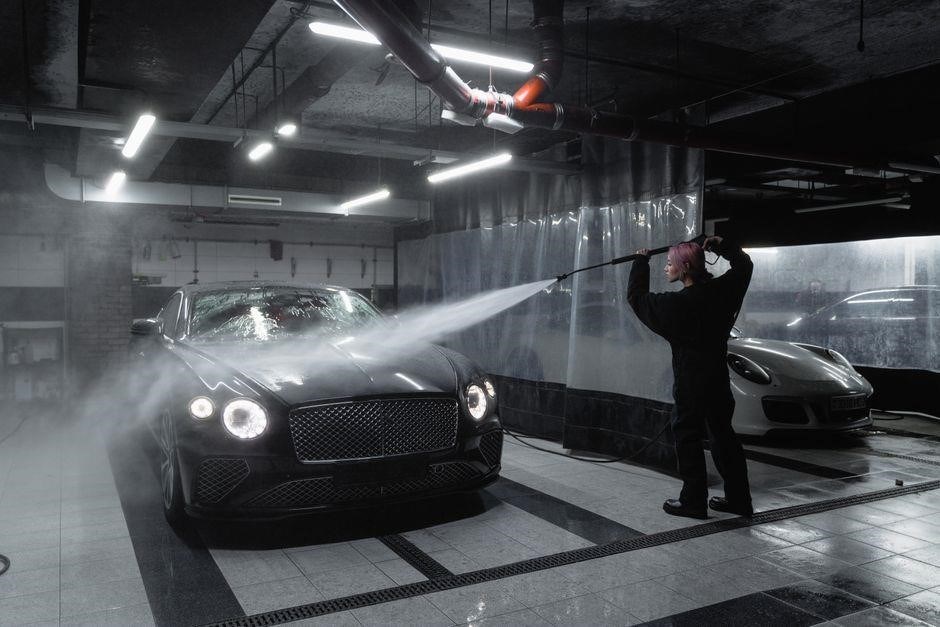
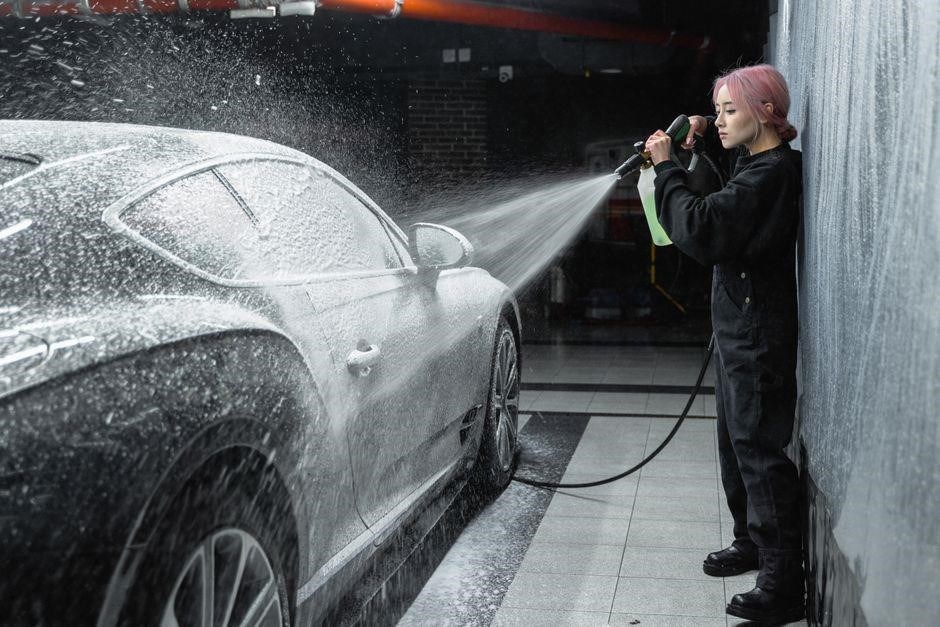
northstar pressure washer owners manual

NorthStar Pressure Washer owners manual provides step‑by‑step guidance for safe setup, operation, and maintenance․ It details safety warnings, equipment specs, water flow, chemical use, and troubleshooting tips to ensure optimal performance and longevity․

Follow water flow and chemical safetynow․

Safety Information and Precautions

Before operating your NorthStar pressure washer, read all safety warnings in the owner’s manual․ Keep the unit out of reach of children and avoid contact with water when the machine is running․ Never touch the spray nozzle or hose while the pressure is on, and always wear protective eyewear and gloves․ Use only the approved NorthStar or equivalent chemicals; improper chemicals can damage the pump and cause leaks․ Ensure the power cord is in good condition and free of damage, and keep the washer on a stable, level surface to prevent tipping․ Do not use the unit in wet or rainy conditions unless the manual specifies it is safe․ When connecting the water supply, verify that the flow rate is at least 20% higher than the washer’s requirement (e․g․, 3 gal/min for a 1․5 GPM unit)․ Keep the area around the washer free of debris, pets, and obstacles that could interfere with the hose or nozzle․ If you notice any leaks, unusual noises, or loss of pressure, shut off the unit immediately and consult the troubleshooting section․ Always disconnect the power source before performing maintenance or cleaning․ Follow the manufacturer’s recommendations for cleaning the spray gun, checking the hose for cracks, and inspecting the pressure gauge․ Store the washer in a dry, covered location when not in use, and keep it away from direct sunlight and extreme temperatures․ The manual also advises against using the washer on surfaces that can be damaged by high pressure, such as painted walls or delicate trim․ By adhering to these precautions, you reduce the risk of injury and extend the life of your NorthStar pressure washer․ For additional safety, always inspect the hose for kinks, cracks, or wear before each use, and replace any damaged sections immediately․ Additionally, ensure that the pressure gauge is calibrated correctly and that the nozzle is securely attached to prevent accidental detachment during operation․ Check seals․!

Equipment Overview and Specifications

NorthStar pressure washers are engineered for commercial use, featuring a robust 2000 PSI, 1․5 GPM output powered by a 120‑V electric motor․ The unit incorporates a CAT 4DX direct‑drive triplex plunger pump, ensuring reliable and efficient water delivery․ A 10‑inch flat‑free tire set provides stability on uneven surfaces, while the adjustable spray gun offers multiple pressure settings for versatile cleaning tasks․ The pressure gauge, mounted on the front panel, displays real‑time PSI and GPM values, allowing operators to monitor performance accurately․ A 3‑gal/min water supply is recommended, with a flow rate at least 20 % higher than the washer’s requirement to maintain optimal pressure․ The hose assembly is 25 ft long, constructed from reinforced rubber to withstand high pressure and resist kinks․ The nozzle is interchangeable, ranging from a 0․5‑inch spray to a 1․5‑inch wide‑angle tip, enabling precise control over spray patterns․ Electrical connections are secured with a 12‑AWG power cord and a 120‑V plug, compatible with standard household outlets․ The unit should be operated on a level surface, with the motor positioned to avoid water ingress․ The pressure washer’s frame is made of aluminum alloy, providing durability while keeping weight manageable for transport․ The unit includes a built‑in safety shut‑off that activates when the pressure gauge reads below 500 PSI, preventing accidental over‑pressure situations․ For chemical cleaning, the washer accepts NorthStar brand detergents or equivalent pressure‑washer‑specific solutions, ensuring compatibility with the pump and seals․ The manual also details the recommended maintenance schedule, including hourly pre‑start checks, daily hose inspections, and monthly pump servicing․ The unit’s handle and design make it easy to maneuver in tight spaces for quick use!

Installation and Setup Procedures

Begin by selecting a stable, level surface to place the NorthStar pressure washer․ Ensure the area is clear of debris and that the unit will not be exposed to direct sunlight for extended periods; Position the washer so the power cord is not in the path of moving parts․ Connect the 120‑V power cord to a grounded outlet, verifying that the outlet is rated for at least 15 A․ Attach the 25‑ft reinforced hose to the inlet port, tightening the clamp securely to prevent leaks․ Connect the water supply line to the inlet, ensuring the flow rate is at least 20 % higher than the washer’s 3 gal/min requirement; a 3‑gal/min supply is preferred․ Verify that the water is clean and particle‑free to avoid pump damage․ Attach the spray gun to the outlet, selecting the appropriate nozzle for the task․ Before first use, perform a pre‑start check: confirm the pressure gauge reads above 500 PSI, inspect the hose for kinks, and ensure the safety shut‑off is functioning․ Turn the power switch to ON, allowing the motor to reach full speed․ Once the pressure stabilizes, adjust the spray pattern as needed․ After each use, turn the power OFF, disconnect the hose, and store the unit on a flat surface in a dry, covered area․ Follow the maintenance schedule outlined in the manual for optimal performance․ For chemical cleaning, use NorthStar brand or equivalent washer chemicals designed for pressure washer use, diluting according to the label․ When transporting, secure the unit with straps and keep it upright to prevent damage․ The manual’s safety section advises wearing protective eyewear and gloves while operating the unit, and warns against operating the unit in wet conditions or near electrical outlets․

Before operating, perform a leak test by running water at low pressure for 5 minutes, checking all fittings for tightness․ If any leaks appear, tighten clamps or replace damaged seals․ Inspect the motor’s cooling fan for dust; clean with a soft brush․ Ensure the power cord is free of fraying; replace if damaged․ The water inlet valve is a 1/2‑inch threaded fitting; use Teflon tape to ensure a watertight seal․ The spray gun’s nozzle should be replaced every 6 months if used frequently, to maintain optimal spray pattern․ The unit’s safety shut‑off activates when the pressure gauge reads below 500 PSI; this prevents the motor from running under low pressure, which could cause overheating․ The manual recommends checking the pressure gauge daily for accuracy․ The manual’s maintenance log sheet records service dates․ The warranty covers parts and labor for one year from the date of purchase, provided the unit is used according to the manual’s specifications․ The manual also recommends contacting authorized service centers for repairs beyond routine maintenance․

Operational Guidelines and Usage

Before each use, verify the water supply meets the 3 gal/min requirement and that the hose is free of kinks․ Attach the spray gun, selecting the nozzle that matches the cleaning task—nozzle #1 for light dust, #2 for moderate grime, #3 for heavy residue․ Ensure the pressure gauge reads above 500 PSI before engaging the spray․ Turn the power switch to ON; the motor will accelerate to full speed within 10 seconds․ Maintain a steady distance of 12–18 inches from the surface to avoid gouging․ Use a sweeping motion for large areas, and a circular pattern for detailed work․ When applying chemicals, dilute the solution according to the label, and use only NorthStar brand or equivalent washer chemicals to prevent corrosion․ Do not spray directly onto electrical outlets, exposed wiring, or fragile surfaces․ Keep the spray nozzle angled downward to prevent splashing onto operators․ After completing a task, turn the power OFF, release the spray trigger, and allow the unit to cool for at least 5 minutes before storage․ Store the unit on a flat surface in a dry, covered area, and secure the hose to prevent tangles․ For optimal performance, replace the spray gun nozzle every 6 months if used frequently․ The manual recommends checking the pressure gauge daily for accuracy; a reading below 500 PSI triggers the safety shut‑off․ Follow the maintenance schedule for oil changes, filter cleaning, and pump inspection․ Always wear protective eyewear and gloves during operation․ The unit’s safety features include a pressure relief valve set at 2000 PSI and a thermal cut‑off that shuts the motor if the temperature exceeds safe limits․ Use the unit only in well‑ventilated areas, and avoid operating in windy conditions that could cause spray drift․ The manual’s troubleshooting section lists common issues such as reduced pressure, which may be caused by clogged filters or worn seals․ If the unit fails to start, check the power cord for damage and ensure the outlet is functioning․ For detailed engine care, refer to the Engine Owners Manual supplied with the washer․ Proper adherence to these operational guidelines ensures safe, efficient, and effective cleaning while extending the unit’s lifespan․ Always consult the manual before making any modifications, and never attempt to disassemble the unit without proper training․ The pressure washer is designed for commercial use, so it can handle repetitive cleaning tasks without significant downtime․ When using the unit outdoors, ensure the area is free of obstructions that could impede airflow or cause accidental contact with the moving parts․ If you notice any abnormal noises or vibrations during operation, immediately shut off the unit and inspect for loose components or worn parts․

Water Flow and Chemical Requirements

Proper water flow is essential for optimal pressure and cleaning efficiency․ The NorthStar Pressure Washer requires a minimum supply flow rate that is at least 20 % higher than the unit’s own flow rate․ For the 2000 PSI, 1․5 GPM model, the recommended flow is 3 gal/min, so a supply of 3․6 gal/min or more is advised․ Ensure the incoming water is clean and particle‑free; any debris can clog the pump or damage internal seals․ Use a pre‑filter if your water source is known to contain sediment․

When applying chemicals, always use only NorthStar brand or equivalent washer chemicals that are specifically formulated for pressure washer use․ Dilution ratios are listed on the chemical bottle; follow them precisely to avoid damaging the pump or the surface being cleaned․ Never mix different chemical types or use household cleaners, as this can lead to corrosion or reduced performance․ Store chemicals in a cool, dry place, and keep them out of reach of children and pets․

Before each cleaning session, check the chemical tank for residue and flush it with clean water if necessary․ The chemical tank must be rinsed thoroughly after use and stored in a sealed container․ The manual’s safety section warns that improper chemical use can cause skin irritation or eye damage; wear protective gloves and eyewear at all times․ After use, rinse the tank thoroughly and store it in a sealed container․ The water flow and chemical requirements are critical for maintaining the washer’s longevity and ensuring safe operation․ Always refer to the detailed instructions in the NorthStar manuals for any updates or specific model variations․

For optimal longevity, schedule a full inspection every 6 months, checking hoses, fittings, and the pump for wear․ Replace any worn parts immediately․ Keep the unit’s electrical connections dry․ Document all maintenance actions in the logbook․ If you encounter any abnormal noises or pressure drops, consult the troubleshooting section․ Follow steps․

Maintenance and Service Schedule

Routine maintenance is essential to keep the NorthStar Pressure Washer operating at peak performance․ The owners manual recommends a schedule that balances safety, reliability, and cost․ After every 50 hours of use, inspect the high‑pressure hose for kinks, cracks, or bulges; replace any damaged sections immediately․ Check the spray gun for proper alignment and ensure the nozzle is clean and free of residue․ If the nozzle is clogged, flush with clean water before the next run․ The pump’s oil level should be checked after each 25 hours of operation; if the oil appears dark or contains debris, drain and replace with fresh oil that meets the manufacturer’s specifications․ The inlet filter should be cleaned or replaced after every 100 hours or whenever the water supply shows increased turbidity․ Keep the chemical tank dry and free of leaks; inspect the tank’s seal and gasket for wear․ The electrical connections should be inspected monthly for corrosion or loose contacts; tighten or replace as needed․ A full service, including a pump overhaul, is recommended every 200 hours or once a year, whichever comes first․ During a full service, replace the pump seal, check the piston rings, and verify the triplex plunger’s operation․ Document each maintenance action in the logbook, noting the date, hours, and parts replaced․ Adhering to this schedule will extend the life of the unit, maintain warranty coverage, and ensure safe operation for all users․ By following these guidelines, you keep your NorthStar clean and ready for task today now․

Troubleshooting Common Issues

When the NorthStar pressure washer fails to start, check the following items in sequence․ First, confirm the power cord is securely plugged into a grounded outlet and the breaker is on․ Next, inspect the 120‑V supply for voltage drop; a multimeter should read 115–120 V․ If the unit still does not power, examine the main fuse or circuit breaker for a blown fuse and replace with the same rating․ For low‑pressure output, verify the inlet filter is clean and the water supply is adequate—at least 20 psi and 3 gpm․ A clogged nozzle will also reduce pressure; remove and clean with a needle or replace if damaged․ If the pump stops mid‑run, check for air in the hose or a blocked pressure relief valve; bleed the system by loosening the relief valve and allowing air to escape․ Leaking oil indicates a worn pump seal; drain the oil, replace the seal, and refill with fresh oil․ A rattling noise often signals a loose or damaged drive belt; tighten or replace the belt as needed․ For a loss of spray pattern, inspect the spray gun for debris or a bent nozzle tip; clean or replace accordingly․ If the unit displays a fault code, refer to the code list in the manual and follow the prescribed reset procedure․ Always disconnect the power before performing any inspection or repair to avoid injury․ For extended service, consult the NorthStar online support portal where you can download firmware updates, detailed schematics, and video tutorials that walk you through maintenance steps!!

Engine and Electrical Component Care

Regular engine maintenance is essential for reliable performance․ Begin by inspecting the 1․5‑GPM engine for oil leaks and ensuring the oil level remains between the min and max marks on the dipstick․ Change the oil every 100 hours of operation or after the first 50 hours if the unit is used in dusty conditions․ Replace the oil filter with a NorthStar OEM part to maintain optimal filtration․ The spark plug should be inspected for fouling; clean or replace it every 200 hours․ The battery, if equipped, must be charged to 12 V and checked for corrosion on the terminals; clean with a baking‑soda solution and re‑apply a thin layer of dielectric grease․ For the electrical system, inspect the power cord for fraying or exposed wires; replace any damaged sections immediately․ The circuit breaker should be reset after any fault condition; if it trips repeatedly, consult the service manual․ The high‑pressure pump’s drive belt must be tensioned according to the manufacturer’s torque spec; a loose belt can cause vibration and premature wear․ Ensure the electrical connectors are tight and free of moisture; use a silicone spray to prevent corrosion․ Finally, store the unit in a dry, temperature‑controlled environment and disconnect the power before any cleaning or servicing to avoid accidental starts․ Follow these steps to extend the life of the engine and electrical components and maintain peak efficiency․ Additionally, inspect the air filter monthly; a clogged filter reduces airflow and can overheat the engine․ Flush the coolant reservoir with fresh water every 500 hours to prevent mineral buildup․ Keep the ignition coil clean and free of oil residue․ Periodically test the voltage output of the alternator with a multimeter; it should read 14․4 V under load․ If the voltage drops below 13․5 V, the alternator may need servicing․ For the high‑pressure pump, check the inlet and outlet hoses for kinks or leaks; replace any damaged hoses․ Use only NorthStar approved hoses rated for the system’s pressure․ Finally, after each service, run the unit for 5 minutes to verify all components are functioning correctly before returning to normal use․

Storage and Transport Guidelines

When the washer is not in use, disconnect the water supply and drain hoses to prevent damage․ Store it on a level surface to avoid vibration․ For long transport, use a padded carrier․ Keep nozzle and wand protected․ Before each use, inspect gauge and fittings for leaks․ Tighten or replace damaged seals․ Use correct nozzle size to avoid surface damage․ Move the unit with a dolly and secure it to prevent tipping․ Store in a dry, well‑ventilated area, away from extreme temperatures․ Clean battery terminals regularly․ Follow these best practices to keep the NorthStar washer in top condition․

When the washer is not in use, disconnect the water supply and drain hoses to prevent damage․ Store it on a level surface to avoid vibration․ For long transport, use a padded carrier․ Keep nozzle and wand protected; Tighten or replace damaged seals Use correct nozzle size to avoid surface damage․ Move the unit with a dolly and secure it to prevent tipping․ Store in a dry, well‑ventilated area, away from extreme temperatures․ Clean battery terminals regularly Follow these best practices to keep the NorthStar washer in top condition

Warranty and Service Information

NorthStar provides a limited 2‑year warranty covering manufacturing defects and mechanical failures․ The warranty is valid only when the unit is used per the manual and maintained as specified․ To claim, contact authorized service centers with proof of purchase and a detailed description of the issue․ Service includes inspection, repair, or replacement of defective parts․ Parts covered include the pump, motor, electrical components, and hoses․ Non‑covered items such as wear‑and‑tear, accidental damage, or improper use are excluded․ The warranty does not cover chemical residue damage or misuse of the washer․ Service centers must use genuine NorthStar parts and follow the manufacturer’s repair procedures․ For extended coverage, customers can purchase the NorthStar Extended Warranty Plan, which adds an extra 3 years and includes roadside assistance for pressure washer breakdowns․ All service requests should be logged, and customers receive a service report detailing the work performed and parts replaced․ The warranty remains in effect as long as the unit is registered and the service history is maintained․ For more details, refer to the warranty booklet included with the washer or visit the NorthStar website․

Customers are encouraged to review the maintenance schedule in the service manual, which outlines recommended intervals․ Adhering to these guidelines ensures optimal performance, extends equipment life, and maintains warranty coverage․ The NorthStar team remains committed to supporting users with assistance and parts availability and help today․

Glossary of Key Terms

  • PSI – Pounds per square inch, the pressure rating of the washer․
  • GPM – Gallons per minute, the flow rate of water delivered․
  • CAT 4DX – A direct‑drive triplex plunger pump design used in NorthStar models․
  • Direct Drive – Motor directly connected to the pump without belts․
  • Triplex Plunger Pump – Pump type that uses three plungers for efficient pressure generation․
  • Flat‑Free Tires – Tires designed to reduce flat spots during operation․
  • Water Flow Rate – Minimum flow required for optimal performance, typically 20% higher than the washer’s rated flow․
  • Chemical Spraying – Application of washer‑specific chemicals; only NorthStar or equivalent brands recommended․
  • Warranty – Limited coverage for manufacturing defects, valid for 2 years under proper use․
  • Maintenance Schedule – Recommended intervals for cleaning, oil changes, and part inspections․
  • Pressure Washer – A machine that uses high‑pressure water to clean surfaces efficiently!!
  • Hydraulic Pump – The component that pressurizes water by converting mechanical energy into hydraulic pressure․
  • Safety Shutoff – A device that automatically stops the washer when unsafe conditions are detected․
  • Electrical Connector – The plug that supplies power to the motor and controls electrical components․
  • Chemical Spraying – Application of washer‑specific chemicals; only NorthStar or equivalent brands recommended․
  • Warranty – Limited coverage for manufacturing defects, valid for 2 years under proper use․
  • Maintenance Schedule – Recommended intervals for cleaning, oil changes, and part inspections․

Open post

two bad ants pdf

Title and Publication Details

Two Bad Ants by Chris Van Allsburg, published by Houghton Mifflin in 1986. This picture book appeared in the United States and has been translated into languages and more. The 32‑page edition features the author’s signature illustrations. ISBN 978-0-395-497-66. Available in print and e-book for kids.

Book Title and Author

The beloved picture book “Two Bad Ants” was penned by the celebrated illustrator and author Chris Van Allsburg, whose distinctive style has captivated readers since the 1970s. First published in 1986 by Houghton Mifflin, the book tells the tale of two mischievous ants who, after a series of misadventures, learn valuable lessons about responsibility and cooperation. Van Allsburg’s narrative is concise yet rich, employing a simple yet evocative language that appeals to both children and adults. The story’s charm lies in its blend of humor and moral insight, a hallmark of the author’s oeuvre. Over the years, “Two Bad Ants” has become a staple in elementary classrooms, often paired with discussions on perspective, empathy, and the consequences of one’s actions. The book’s popularity is reflected in its numerous reprints, translations into multiple languages, and its presence in digital libraries. As an early work of Van Allsburg, it showcases the artist’s early mastery of composition, texture, and subtle storytelling. The book remains a favorite!for educators seeking engaging, illustrated texts that stimulate critical thinking and discussion about everyday choices. Readers of all ages find the book’s gentle humor and subtle moral lessons both accessible and thought‑provoking, making it a versatile resource for classroom discussions, home reading, and independent exploration of narrative perspective, character motivation, and the impact of choices on community life. Appeal invites reflection on kindness a responsibility.

Publisher and Publication Year

Two Bad Ants was first brought to the public by the well‑known publisher Houghton Mifflin, a New York‑based house that has long been a steward of children’s literature. The original edition appeared in 1986, a year that also saw the release of several other Van Allsburg titles, cementing the author’s reputation for combining evocative illustration with sharp, concise storytelling. The 1986 publication was issued in a 32‑page hardback format, with a glossy finish that highlighted the subtle textures of the ants’ world. The ISBN for this first edition is 978‑0‑395‑497‑66, and the book has since been reissued in multiple formats, including paperback, ebook, and a deluxe collector’s edition that features the original illustrations in full color. Houghton Mifflin’s commitment to quality production is evident in the book’s durable binding, high‑resolution printing, and the careful selection of paper stock that enhances the visual impact of Van Allsburg’s art. The publisher’s distribution network ensured that the book reached libraries, schools, and independent bookstores across the United States and abroad, allowing it to become a staple in elementary curricula. In addition to the original 1986 release, the book has been re‑published by other houses such as Random House and Penguin Children’s, each edition preserving the integrity of the original text while offering new cover designs that appeal to contemporary readers. The publisher’s role in maintaining the book’s availability over decades underscores its enduring appeal and the lasting influence of Van Allsburg’s work on children’s literature. 2024 edition. Upd e

Plot Overview

Two Bad Ants tells of two mischievous ants who steal a crumb, causing a stir in the colony. Their daring act triggers a chase, a lesson on responsibility, and a twist that shows teamwork can turn trouble into triumph, ending with a shared feast. The ants learn honesty and teamwork bring lasting joy.!!!

Central Conflict

The central conflict in “Two Bad Ants” erupts when two bold ants, craving excitement, steal a single crumb from the colony’s bustling pantry. Their daring theft sparks a frantic chase as the colony’s vigilant workers pursue the thieves through winding tunnels, their antennae flicking in alarm. The ants must dodge obstacles and evade the workers while wrestling with guilt over their selfish act, realizing the ripple effect on their community. The colony’s leaders confront the thieves, demanding an explanation and a restitution to restore harmony and maintain order. The ants face a pivotal choice: flee with the crumb, risking exile and loss of trust, or return it, risking humiliation but preserving unity and respect. Their decision becomes a test of loyalty, courage, and communal responsibility, forcing them to confront their own conscience. The resolution sees the ants return the crumb, offering a heartfelt apology that softens the elders’ stern gaze and earns a cautious forgiveness. The colony responds with a blend of forgiveness and caution, reminding all that mischief can be corrected through honesty, cooperation, and shared sacrifice. This outcome underscores the narrative’s central theme: the importance of accountability, the power of making amends, and the strength of community bonds. The story’s tension, rooted in the ants’ daring theft and the colony’s reaction, serves as a microcosm of broader moral dilemmas, resonating deeply with readers of all ages. This tale reminds us that small choices echo loudly in shared lives!!!

Character Analysis

The story centers on two mischievous ants, bold and curious, whose daring theft sparks a colony-wide pursuit. Their impulsive nature clashes with the colony’s disciplined order, highlighting themes of accountability and community. The elders embody wisdom, guiding the ants toward restitution and growth for all!

Main Characters

Ant One, the audacious explorer, always seeks adventure beyond the anthill’s borders. With a bright, inquisitive mind, he challenges rules, leading the duo into mischief. Ant Two, the cautious companion, balances Ant One’s daring with practical wisdom. Though initially hesitant, she follows, trusting her friend’s courage. Together, they form a dynamic duo, each complementing the other’s strengths and weaknesses. Their personalities contrast sharply: Ant One thrives on spontaneity, while Ant Two values order and foresight. This interplay creates tension and humor, illustrating how differing perspectives can both clash and harmonize. The colony’s elder, the wise Ant Leader, observes their antics, offering subtle guidance. He embodies tradition, patience, and the importance of community responsibility. Ant Mother, the nurturing figure, provides care and comfort, reinforcing the theme of family support. Their interactions reveal growth, as the ants learn from mistakes, adapt, and ultimately seek restitution. The narrative showcases how individual traits contribute to collective resilience, underscoring the value of cooperation and mutual respect. Through their journey, the ants discover that bravery and caution can coexist, each offering a unique lens to solve problems. Their evolving relationship demonstrates that growth often requires stepping outside comfort zones, listening to diverse viewpoints, and embracing collective wisdom. The story subtly encourages readers to value both daring innovation and thoughtful planning, reminding them that harmony emerges when differences are respected and integrated. Readers witness the ants’ transformation from reckless to responsible, learning that true leadership blends courage with compassion. The narrative invites reflection on how small acts of kindness ripple outward, shaping a community where every voice matters and shared purpose guides collective success. Every lesson echoes, inspiring choices.

Illustration Style and Techniques

Van Allsburg’s art blends muted earth tones with fine line work, creating depth. Ants are slightly exaggerated, highlighting personality, while the colony’s textures feel realistic. The style balances realism and whimsy, inviting readers into tactile world.

Illustration Details

Chris Van Allsburg’s illustrations in Two Bad Ants are a masterclass in subtle storytelling. The ant colony is rendered in a muted palette of browns, grays, and soft greens that ground the narrative in a realistic, almost tactile environment. Each ant is depicted with a slight exaggeration of size and expression, allowing readers to discern personality traits without dialogue. The artist’s line work is precise yet fluid, capturing the delicate textures of the ants’ exoskeletons, the roughness of the soil, and the delicate veins of leaves. Van Allsburg employs a technique of layering translucent washes that give depth to the background, creating a sense of three‑dimensionality that pulls the reader into the miniature world. The use of light is subtle; shadows fall naturally across the ants’ bodies, adding realism and emphasizing the interplay between light and shadow. The background often features a subtle gradient, shifting from a pale sky to a darker earth tone, which frames the ants’ activities. The composition balances foreground action with background context, ensuring that the reader’s eye is guided across the page. The overall style is whimsical yet grounded, making the book appealing to children while offering enough detail for adult appreciation. The illustrations are integral to the narrative, providing visual cues that enhance the story’s humor and moral lessons. The careful attention to detail in texture, light, and composition demonstrates Van Allsburg’s skill in marrying visual art with storytelling for all!!!! .

Illustrations also subtly hint at the ants’ internal world through color gradients and shadow play, inviting readers to consider how small creatures navigate complex environments with humor and grace.

Key Themes and Messages

Two Bad Ants explores teamwork, responsibility, and the consequences of neglect. The ants’ mischief highlights the importance of cooperation, while the gentle humor reminds readers that small actions can ripple through a community, shaping outcomes for all.Shared duty.

Underlying Moral

In Two Bad Ants, the moral centers on the ripple effect of individual choices within a community. The two ants’ careless behavior—neglecting their duties and indulging in mischief—serves as a cautionary tale about the importance of responsibility, cooperation, and foresight. The narrative demonstrates that even small, seemingly harmless actions can lead to larger consequences that affect everyone, especially when teamwork is absent. By following the ants’ misadventures, readers learn that mutual support and shared accountability are essential for maintaining harmony and achieving collective goals. The story’s gentle humor underscores that learning from mistakes is a vital part of growth, encouraging young readers to reflect on their own actions and the impact they have on others. Ultimately, the book champions the idea that a community thrives when its members contribute positively, respect one another’s roles, and work together toward common success. In practice, educators can use this narrative to spark discussions about responsibility, encouraging students to analyze how each ant’s choice influences the group, and to reflect on their own roles within a classroom community, thereby fostering empathy, critical thinking, and a sense of shared purpose that extends beyond the page. Students can then create their own ant stories, assigning roles and predicting outcomes, which helps them practice narrative structure, moral reasoning, the importance of collective action in a tangible engaging way!

Educational Applications

Use Two Bad Ants to teach reading comprehension, vocabulary, and perspective. In a 45‑minute lesson for grades 3–5, students analyze the ants’ actions, discuss teamwork, and create a short story. The book’s vivid illustrations support visual learning and discussion. Students draw an ant colony boosting narrative

Lesson Duration and Grade Level

Designed for third‑to‑fifth‑grade classrooms, this lesson spans approximately 90 minutes, divided into three 30‑minute segments. The first segment introduces the story, prompting students to predict outcomes based on the ant’s mischief and to identify key vocabulary such as ‘consequence’ and ‘collaboration.’ During the second segment, learners engage in a guided close reading, annotating illustrations and text to uncover the ants’ motivations and the narrative’s moral. The third segment culminates in a creative writing activity where students draft a short story from an ant’s perspective, incorporating the lesson’s vocabulary and illustrating the importance of teamwork. Assessment occurs through a rubric that evaluates comprehension, use of evidence, narrative structure, and creativity. Resources include the printed book, a digital copy for e‑readers, a set of discussion questions, and a printable worksheet that aligns with Common Core standards. This lesson promotes critical thinking, empathy, and literacy skills while providing a scaffolded approach that accommodates diverse learning styles. Students will also create a visual timeline of the ants’ journey, annotate the timeline with key events, and discuss how the ants’ choices influence the outcome, reinforcing the lesson’s focus on decision‑making and consequences. Students compare the ants’ choices with their own, fostering empathy and understanding how small actions can lead to big results in a collaborative setting now!

Lesson Plan Resources and Availability

Students can access a free PDF of the lesson plan via CPALMS (link). The plan includes worksheets, discussion prompts, and a printable timeline. Additional resources: the original book, a video clip of the story, and an online discussion forum. All materials are available for educators worldwide. Now (PDF)!

Download Options

Download options for the Two Bad Ants lesson plan and accompanying resources are available through CPALMS, the College and Professional Academic Learning Management System. Educators can download a free PDF containing the full lesson plan, worksheets, assessment rubrics, and suggested activities. The file can be printed or viewed on any device. The lesson plan is also hosted on the Houghton Mifflin publisher’s website, offering a direct download link for the book in PDF format for classroom reading. When downloading, ensure the file size does not exceed institutional network limits. If issues arise, contact CPALMS support or the publisher’s customer service. For offline use, consider converting the PDF to a PowerPoint deck or Google Slides presentation to facilitate interactive classroom activities. The lesson plan also includes a printable timeline and a list of vocabulary words with definitions and example sentences for flashcards or digital quizzes. All materials are licensed under a Creative Commons Attribution‑ShareAlike 4.0 International license, allowing educators to adapt and share the content. These resources support diverse learning styles and can be adapted for various classroom settings. To enhance engagement, teachers can integrate the lesson with a classroom scavenger hunt where students locate specific illustrations and annotate them, fostering observation skills and reinforcing the narrative structure. Students may also create their illustrated storybook, the themes learned.!!!

Scroll to top