Title and Publication Details
Two Bad Ants by Chris Van Allsburg, published by Houghton Mifflin in 1986. This picture book appeared in the United States and has been translated into languages and more. The 32‑page edition features the author’s signature illustrations. ISBN 978-0-395-497-66. Available in print and e-book for kids.
Book Title and Author
The beloved picture book “Two Bad Ants” was penned by the celebrated illustrator and author Chris Van Allsburg, whose distinctive style has captivated readers since the 1970s. First published in 1986 by Houghton Mifflin, the book tells the tale of two mischievous ants who, after a series of misadventures, learn valuable lessons about responsibility and cooperation. Van Allsburg’s narrative is concise yet rich, employing a simple yet evocative language that appeals to both children and adults. The story’s charm lies in its blend of humor and moral insight, a hallmark of the author’s oeuvre. Over the years, “Two Bad Ants” has become a staple in elementary classrooms, often paired with discussions on perspective, empathy, and the consequences of one’s actions. The book’s popularity is reflected in its numerous reprints, translations into multiple languages, and its presence in digital libraries. As an early work of Van Allsburg, it showcases the artist’s early mastery of composition, texture, and subtle storytelling. The book remains a favorite!for educators seeking engaging, illustrated texts that stimulate critical thinking and discussion about everyday choices. Readers of all ages find the book’s gentle humor and subtle moral lessons both accessible and thought‑provoking, making it a versatile resource for classroom discussions, home reading, and independent exploration of narrative perspective, character motivation, and the impact of choices on community life. Appeal invites reflection on kindness a responsibility.
Publisher and Publication Year
Two Bad Ants was first brought to the public by the well‑known publisher Houghton Mifflin, a New York‑based house that has long been a steward of children’s literature. The original edition appeared in 1986, a year that also saw the release of several other Van Allsburg titles, cementing the author’s reputation for combining evocative illustration with sharp, concise storytelling. The 1986 publication was issued in a 32‑page hardback format, with a glossy finish that highlighted the subtle textures of the ants’ world. The ISBN for this first edition is 978‑0‑395‑497‑66, and the book has since been reissued in multiple formats, including paperback, ebook, and a deluxe collector’s edition that features the original illustrations in full color. Houghton Mifflin’s commitment to quality production is evident in the book’s durable binding, high‑resolution printing, and the careful selection of paper stock that enhances the visual impact of Van Allsburg’s art. The publisher’s distribution network ensured that the book reached libraries, schools, and independent bookstores across the United States and abroad, allowing it to become a staple in elementary curricula. In addition to the original 1986 release, the book has been re‑published by other houses such as Random House and Penguin Children’s, each edition preserving the integrity of the original text while offering new cover designs that appeal to contemporary readers. The publisher’s role in maintaining the book’s availability over decades underscores its enduring appeal and the lasting influence of Van Allsburg’s work on children’s literature. 2024 edition. Upd e
Plot Overview
Two Bad Ants tells of two mischievous ants who steal a crumb, causing a stir in the colony. Their daring act triggers a chase, a lesson on responsibility, and a twist that shows teamwork can turn trouble into triumph, ending with a shared feast. The ants learn honesty and teamwork bring lasting joy.!!!
Central Conflict
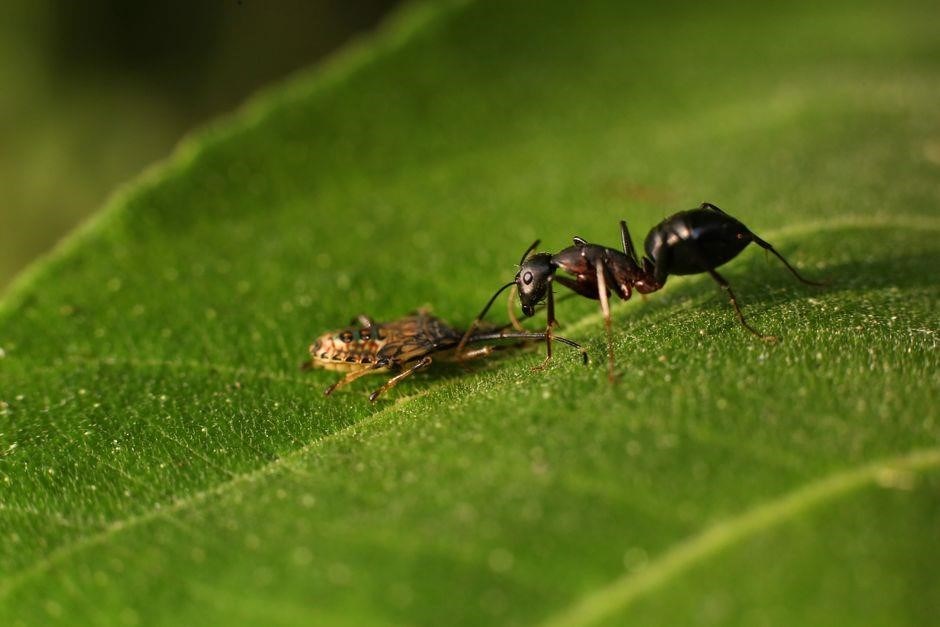
The central conflict in “Two Bad Ants” erupts when two bold ants, craving excitement, steal a single crumb from the colony’s bustling pantry. Their daring theft sparks a frantic chase as the colony’s vigilant workers pursue the thieves through winding tunnels, their antennae flicking in alarm. The ants must dodge obstacles and evade the workers while wrestling with guilt over their selfish act, realizing the ripple effect on their community. The colony’s leaders confront the thieves, demanding an explanation and a restitution to restore harmony and maintain order. The ants face a pivotal choice: flee with the crumb, risking exile and loss of trust, or return it, risking humiliation but preserving unity and respect. Their decision becomes a test of loyalty, courage, and communal responsibility, forcing them to confront their own conscience. The resolution sees the ants return the crumb, offering a heartfelt apology that softens the elders’ stern gaze and earns a cautious forgiveness. The colony responds with a blend of forgiveness and caution, reminding all that mischief can be corrected through honesty, cooperation, and shared sacrifice. This outcome underscores the narrative’s central theme: the importance of accountability, the power of making amends, and the strength of community bonds. The story’s tension, rooted in the ants’ daring theft and the colony’s reaction, serves as a microcosm of broader moral dilemmas, resonating deeply with readers of all ages. This tale reminds us that small choices echo loudly in shared lives!!!
Character Analysis
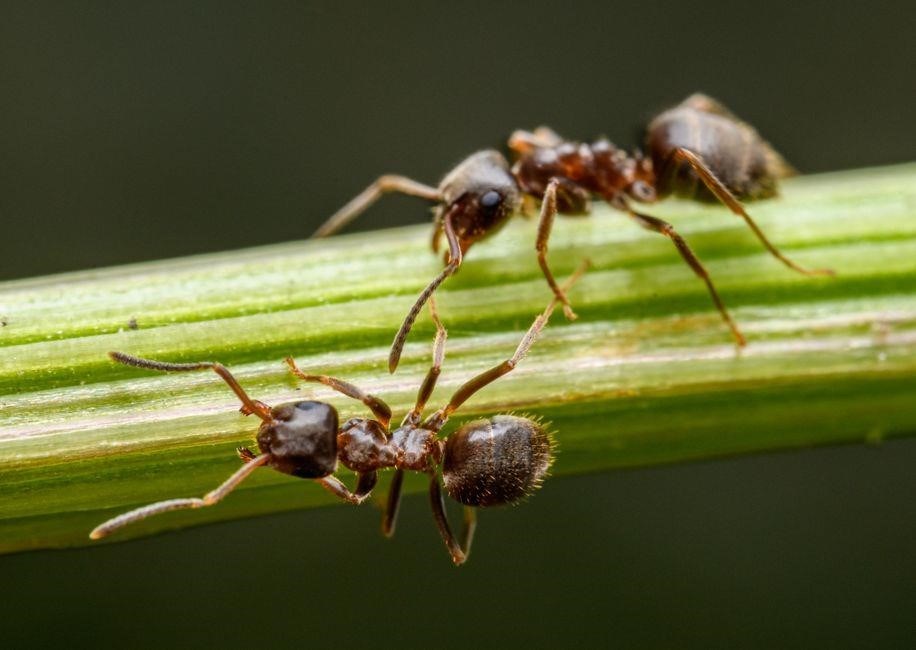
The story centers on two mischievous ants, bold and curious, whose daring theft sparks a colony-wide pursuit. Their impulsive nature clashes with the colony’s disciplined order, highlighting themes of accountability and community. The elders embody wisdom, guiding the ants toward restitution and growth for all!
Main Characters
Ant One, the audacious explorer, always seeks adventure beyond the anthill’s borders. With a bright, inquisitive mind, he challenges rules, leading the duo into mischief. Ant Two, the cautious companion, balances Ant One’s daring with practical wisdom. Though initially hesitant, she follows, trusting her friend’s courage. Together, they form a dynamic duo, each complementing the other’s strengths and weaknesses. Their personalities contrast sharply: Ant One thrives on spontaneity, while Ant Two values order and foresight. This interplay creates tension and humor, illustrating how differing perspectives can both clash and harmonize. The colony’s elder, the wise Ant Leader, observes their antics, offering subtle guidance. He embodies tradition, patience, and the importance of community responsibility. Ant Mother, the nurturing figure, provides care and comfort, reinforcing the theme of family support. Their interactions reveal growth, as the ants learn from mistakes, adapt, and ultimately seek restitution. The narrative showcases how individual traits contribute to collective resilience, underscoring the value of cooperation and mutual respect. Through their journey, the ants discover that bravery and caution can coexist, each offering a unique lens to solve problems. Their evolving relationship demonstrates that growth often requires stepping outside comfort zones, listening to diverse viewpoints, and embracing collective wisdom. The story subtly encourages readers to value both daring innovation and thoughtful planning, reminding them that harmony emerges when differences are respected and integrated. Readers witness the ants’ transformation from reckless to responsible, learning that true leadership blends courage with compassion. The narrative invites reflection on how small acts of kindness ripple outward, shaping a community where every voice matters and shared purpose guides collective success. Every lesson echoes, inspiring choices.
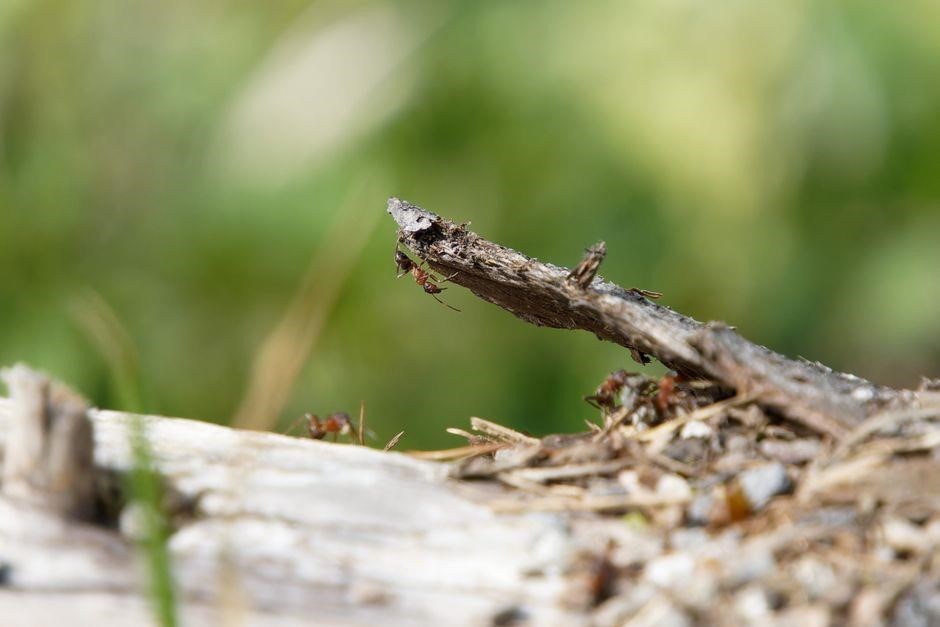
Illustration Style and Techniques
Van Allsburg’s art blends muted earth tones with fine line work, creating depth. Ants are slightly exaggerated, highlighting personality, while the colony’s textures feel realistic. The style balances realism and whimsy, inviting readers into tactile world.
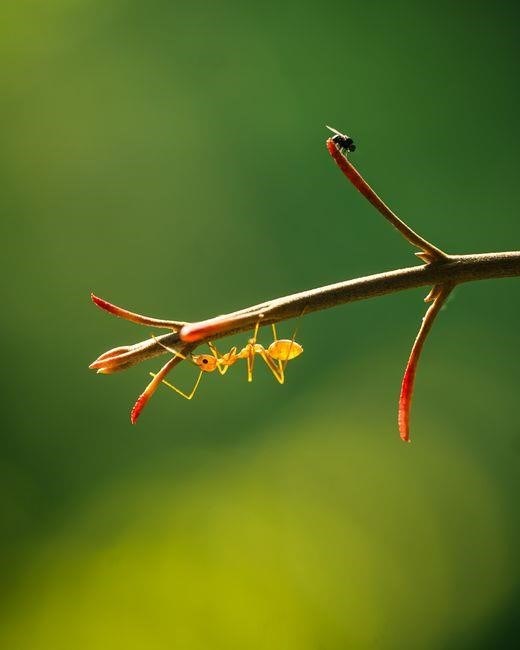
Illustration Details
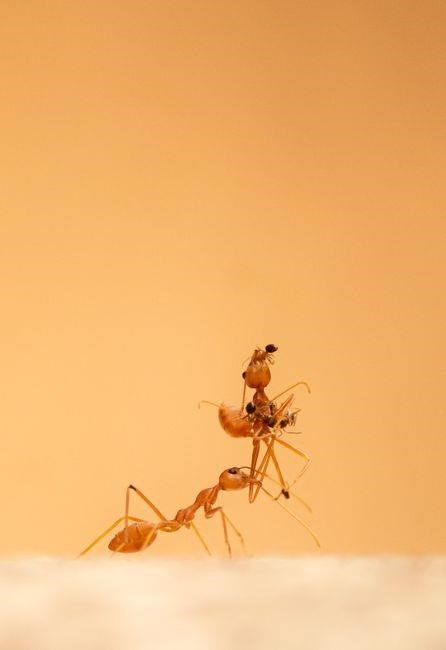
Chris Van Allsburg’s illustrations in Two Bad Ants are a masterclass in subtle storytelling. The ant colony is rendered in a muted palette of browns, grays, and soft greens that ground the narrative in a realistic, almost tactile environment. Each ant is depicted with a slight exaggeration of size and expression, allowing readers to discern personality traits without dialogue. The artist’s line work is precise yet fluid, capturing the delicate textures of the ants’ exoskeletons, the roughness of the soil, and the delicate veins of leaves. Van Allsburg employs a technique of layering translucent washes that give depth to the background, creating a sense of three‑dimensionality that pulls the reader into the miniature world. The use of light is subtle; shadows fall naturally across the ants’ bodies, adding realism and emphasizing the interplay between light and shadow. The background often features a subtle gradient, shifting from a pale sky to a darker earth tone, which frames the ants’ activities. The composition balances foreground action with background context, ensuring that the reader’s eye is guided across the page. The overall style is whimsical yet grounded, making the book appealing to children while offering enough detail for adult appreciation. The illustrations are integral to the narrative, providing visual cues that enhance the story’s humor and moral lessons. The careful attention to detail in texture, light, and composition demonstrates Van Allsburg’s skill in marrying visual art with storytelling for all!!!! .
Illustrations also subtly hint at the ants’ internal world through color gradients and shadow play, inviting readers to consider how small creatures navigate complex environments with humor and grace.
Key Themes and Messages
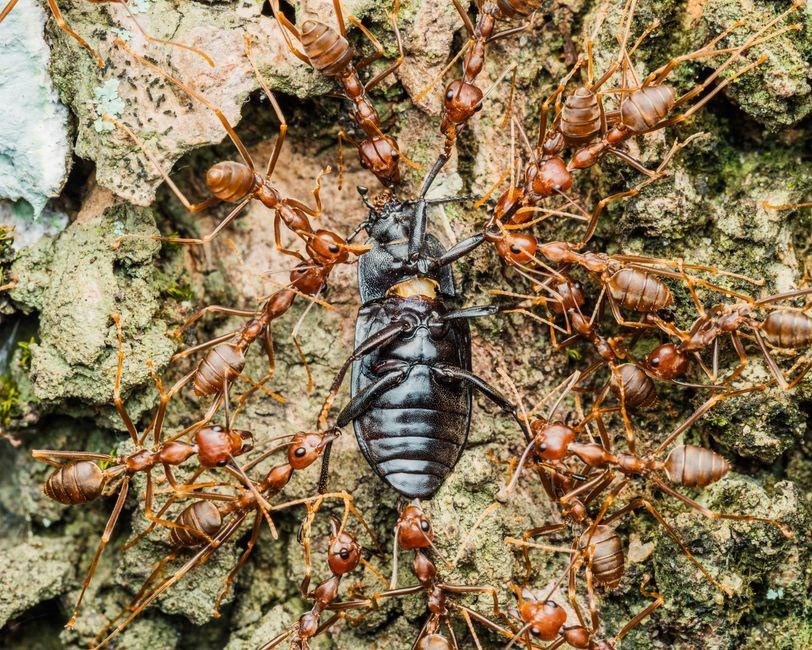
Two Bad Ants explores teamwork, responsibility, and the consequences of neglect. The ants’ mischief highlights the importance of cooperation, while the gentle humor reminds readers that small actions can ripple through a community, shaping outcomes for all.Shared duty.
Underlying Moral
In Two Bad Ants, the moral centers on the ripple effect of individual choices within a community. The two ants’ careless behavior—neglecting their duties and indulging in mischief—serves as a cautionary tale about the importance of responsibility, cooperation, and foresight. The narrative demonstrates that even small, seemingly harmless actions can lead to larger consequences that affect everyone, especially when teamwork is absent. By following the ants’ misadventures, readers learn that mutual support and shared accountability are essential for maintaining harmony and achieving collective goals. The story’s gentle humor underscores that learning from mistakes is a vital part of growth, encouraging young readers to reflect on their own actions and the impact they have on others. Ultimately, the book champions the idea that a community thrives when its members contribute positively, respect one another’s roles, and work together toward common success. In practice, educators can use this narrative to spark discussions about responsibility, encouraging students to analyze how each ant’s choice influences the group, and to reflect on their own roles within a classroom community, thereby fostering empathy, critical thinking, and a sense of shared purpose that extends beyond the page. Students can then create their own ant stories, assigning roles and predicting outcomes, which helps them practice narrative structure, moral reasoning, the importance of collective action in a tangible engaging way!
Educational Applications
Use Two Bad Ants to teach reading comprehension, vocabulary, and perspective. In a 45‑minute lesson for grades 3–5, students analyze the ants’ actions, discuss teamwork, and create a short story. The book’s vivid illustrations support visual learning and discussion. Students draw an ant colony boosting narrative
Lesson Duration and Grade Level
Designed for third‑to‑fifth‑grade classrooms, this lesson spans approximately 90 minutes, divided into three 30‑minute segments. The first segment introduces the story, prompting students to predict outcomes based on the ant’s mischief and to identify key vocabulary such as ‘consequence’ and ‘collaboration.’ During the second segment, learners engage in a guided close reading, annotating illustrations and text to uncover the ants’ motivations and the narrative’s moral. The third segment culminates in a creative writing activity where students draft a short story from an ant’s perspective, incorporating the lesson’s vocabulary and illustrating the importance of teamwork. Assessment occurs through a rubric that evaluates comprehension, use of evidence, narrative structure, and creativity. Resources include the printed book, a digital copy for e‑readers, a set of discussion questions, and a printable worksheet that aligns with Common Core standards. This lesson promotes critical thinking, empathy, and literacy skills while providing a scaffolded approach that accommodates diverse learning styles. Students will also create a visual timeline of the ants’ journey, annotate the timeline with key events, and discuss how the ants’ choices influence the outcome, reinforcing the lesson’s focus on decision‑making and consequences. Students compare the ants’ choices with their own, fostering empathy and understanding how small actions can lead to big results in a collaborative setting now!
Lesson Plan Resources and Availability
Students can access a free PDF of the lesson plan via CPALMS (link). The plan includes worksheets, discussion prompts, and a printable timeline. Additional resources: the original book, a video clip of the story, and an online discussion forum. All materials are available for educators worldwide. Now (PDF)!
Download Options
Download options for the Two Bad Ants lesson plan and accompanying resources are available through CPALMS, the College and Professional Academic Learning Management System. Educators can download a free PDF containing the full lesson plan, worksheets, assessment rubrics, and suggested activities. The file can be printed or viewed on any device. The lesson plan is also hosted on the Houghton Mifflin publisher’s website, offering a direct download link for the book in PDF format for classroom reading. When downloading, ensure the file size does not exceed institutional network limits. If issues arise, contact CPALMS support or the publisher’s customer service. For offline use, consider converting the PDF to a PowerPoint deck or Google Slides presentation to facilitate interactive classroom activities. The lesson plan also includes a printable timeline and a list of vocabulary words with definitions and example sentences for flashcards or digital quizzes. All materials are licensed under a Creative Commons Attribution‑ShareAlike 4.0 International license, allowing educators to adapt and share the content. These resources support diverse learning styles and can be adapted for various classroom settings. To enhance engagement, teachers can integrate the lesson with a classroom scavenger hunt where students locate specific illustrations and annotate them, fostering observation skills and reinforcing the narrative structure. Students may also create their illustrated storybook, the themes learned.!!!